Metal parts
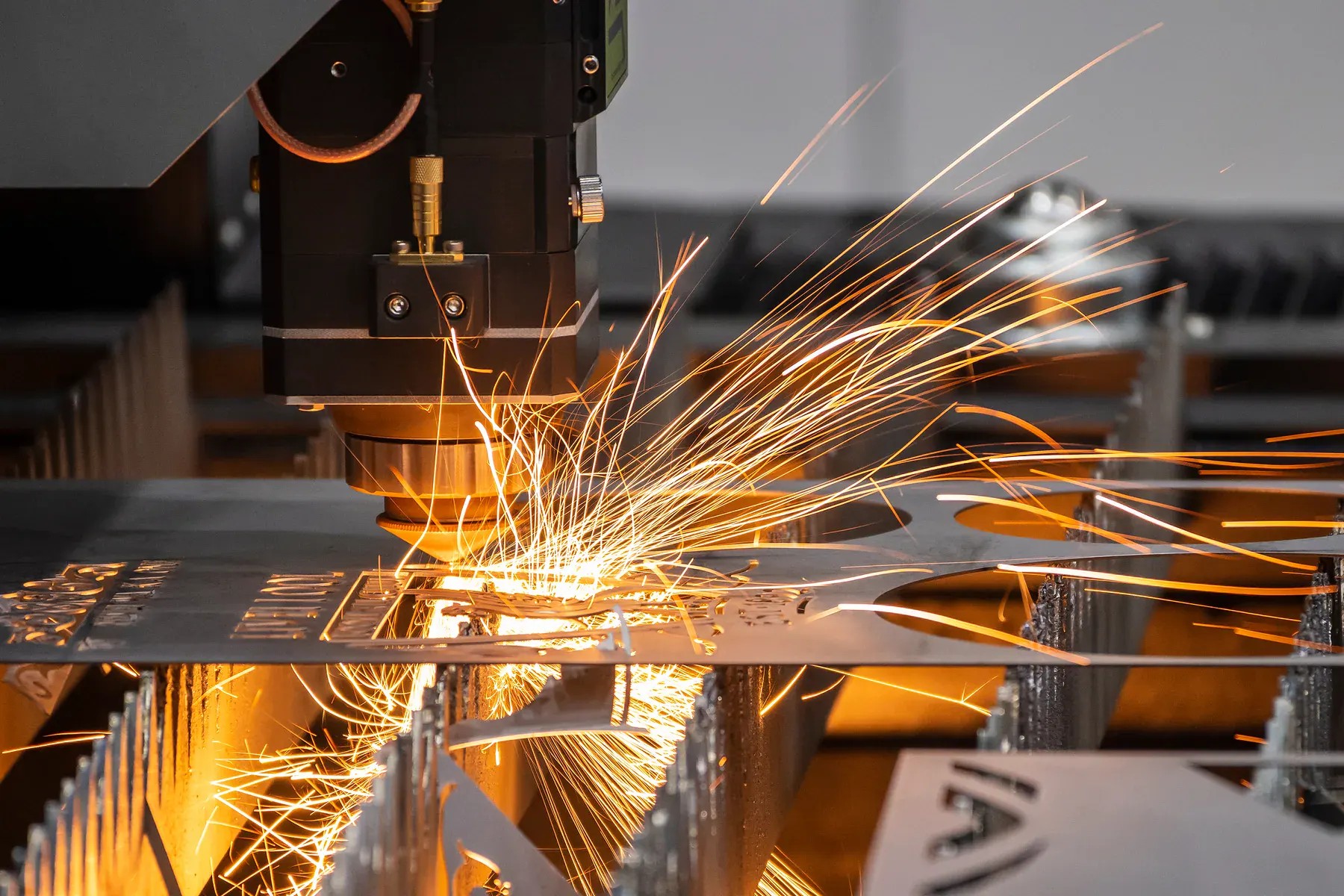
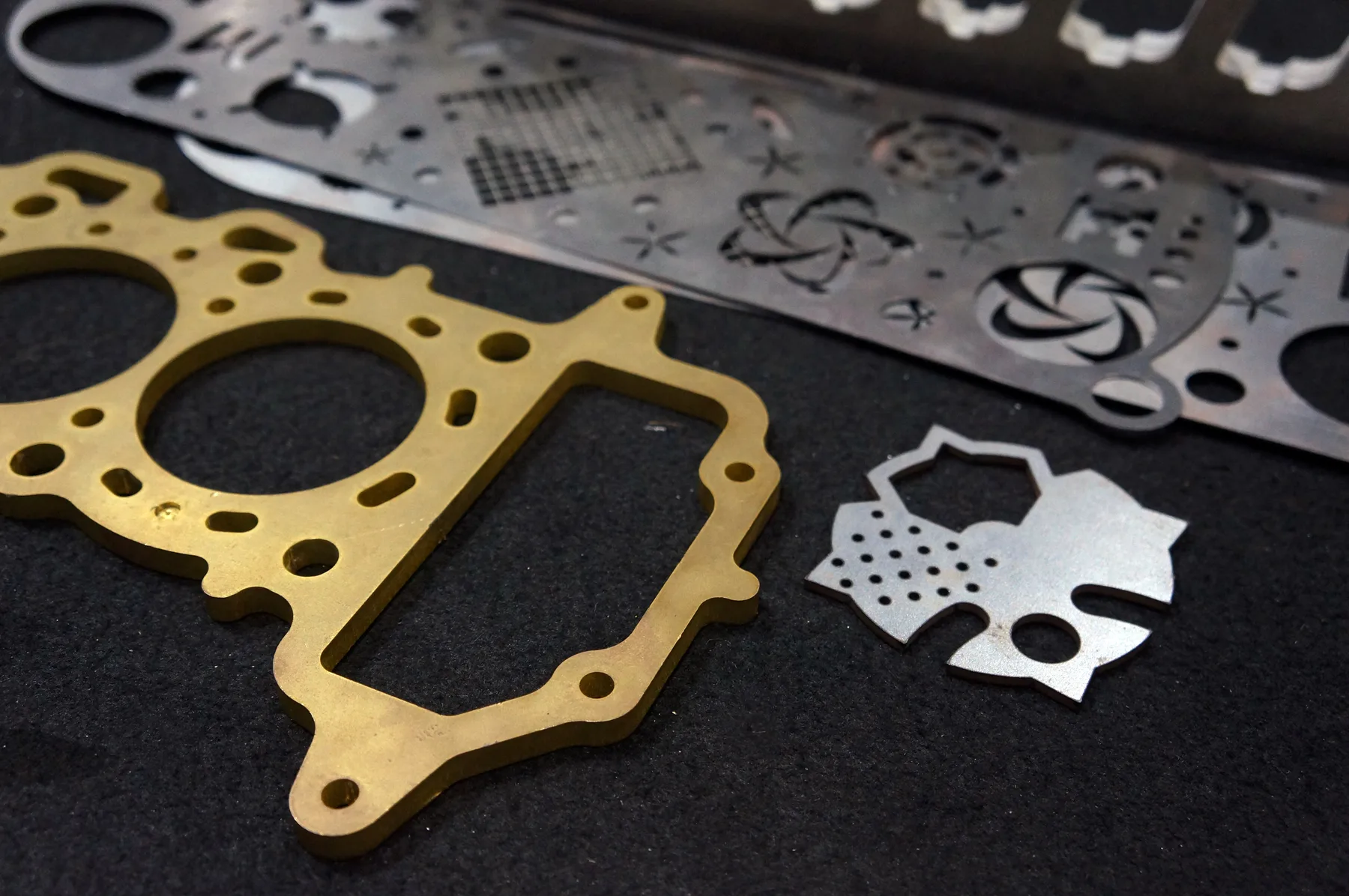
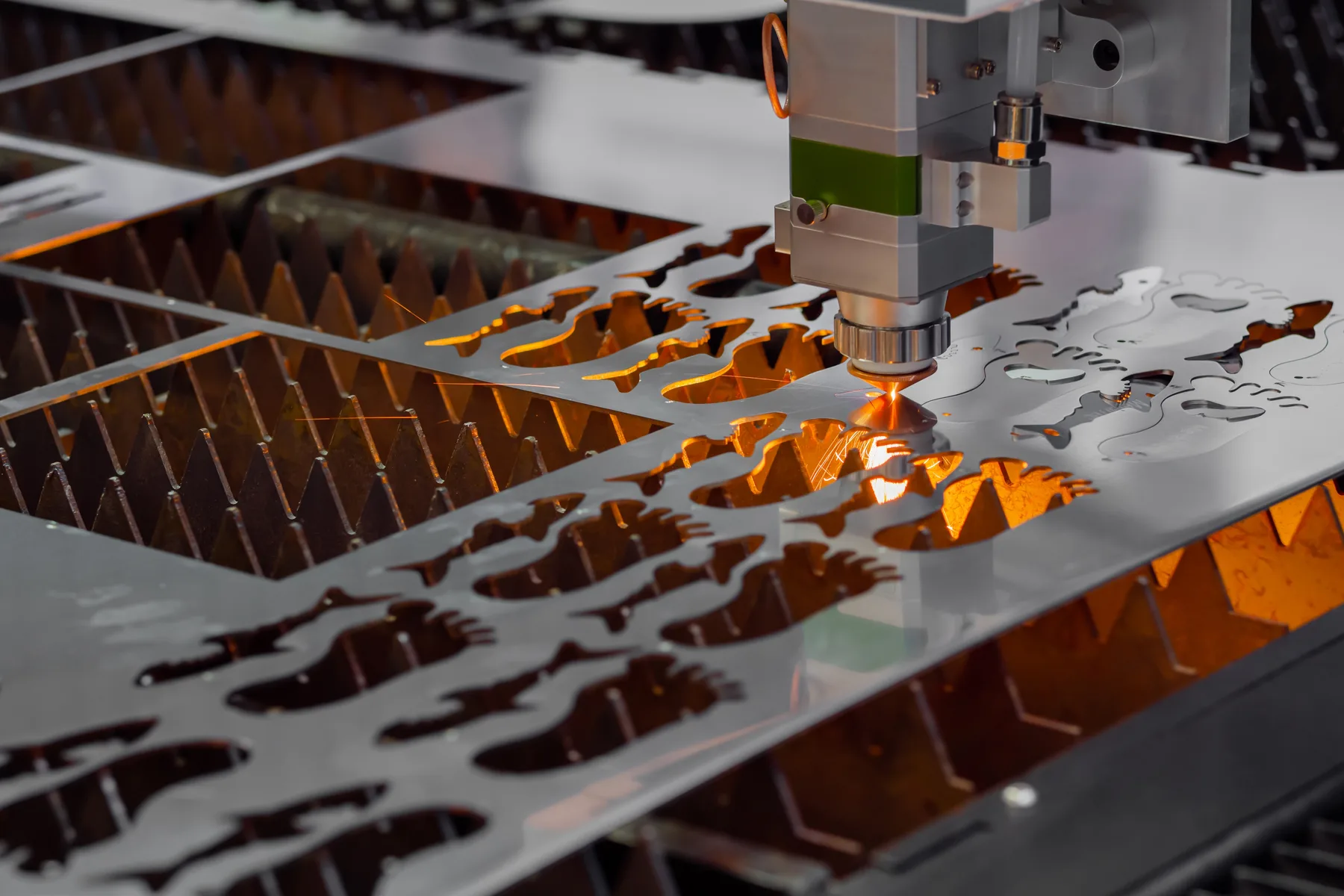
Fiber laser is usually the right route for mild steel, stainless steel, aluminium and reviewed specialty sheet metals.

Process comparison
A practical guide for Australian buyers choosing between fiber laser, CO2 laser, CNC router and digital knife cutting. Start with the material, then check thickness, edge finish, detail, file type and whether instant pricing or reviewed quoting is safer.
What we cut
A practical guide for Australian buyers choosing between fiber laser, CO2 laser, CNC router and digital knife cutting. Start with the material, then check thickness, edge finish, detail, file type and whether instant pricing or reviewed quoting is safer.
Start with the part, panel or material you need. Use fast online pricing when the file is cut-ready, or request review when the job needs production input before it can be accepted.
Fiber laser is usually the right route for mild steel, stainless steel, aluminium and reviewed specialty sheet metals.
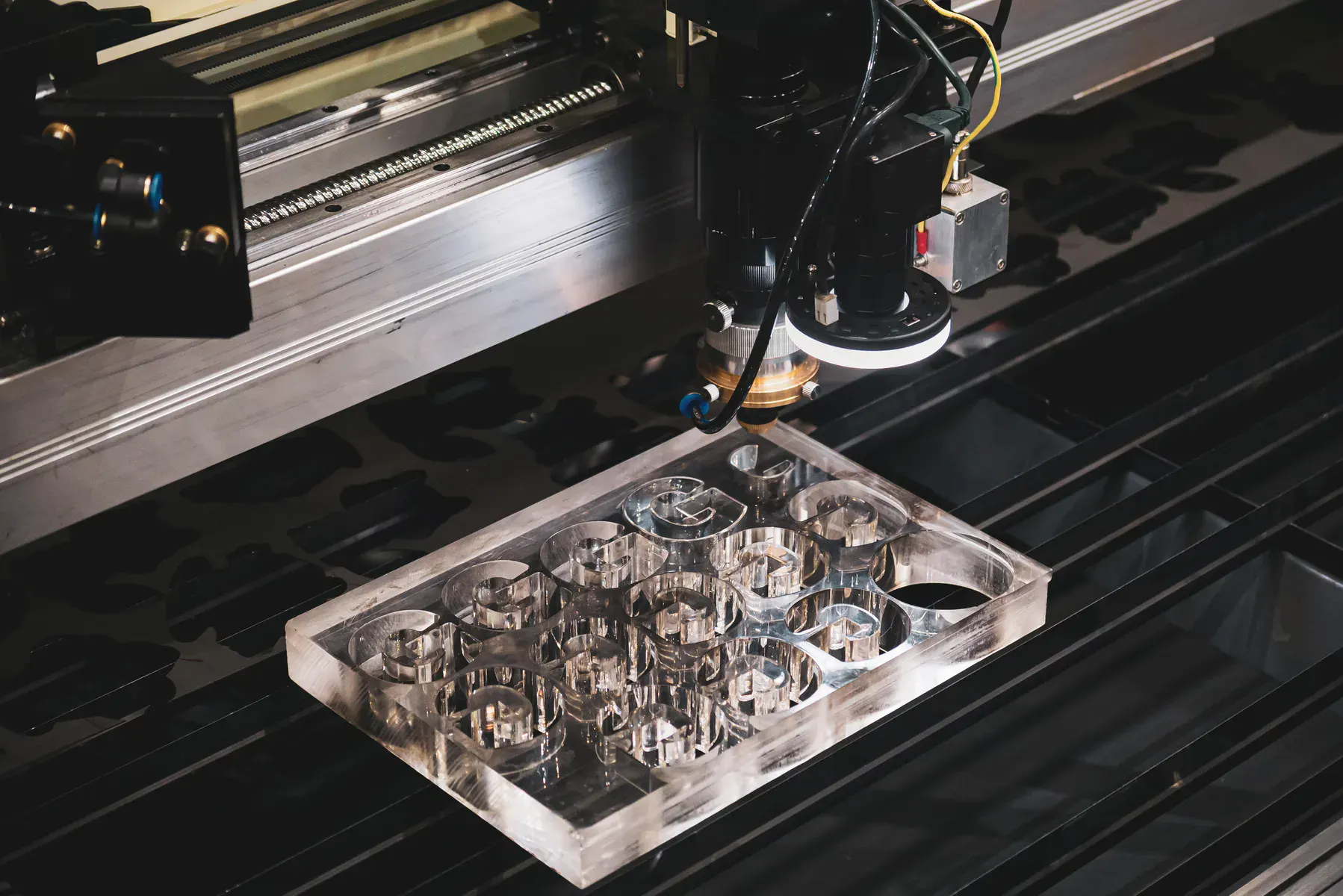
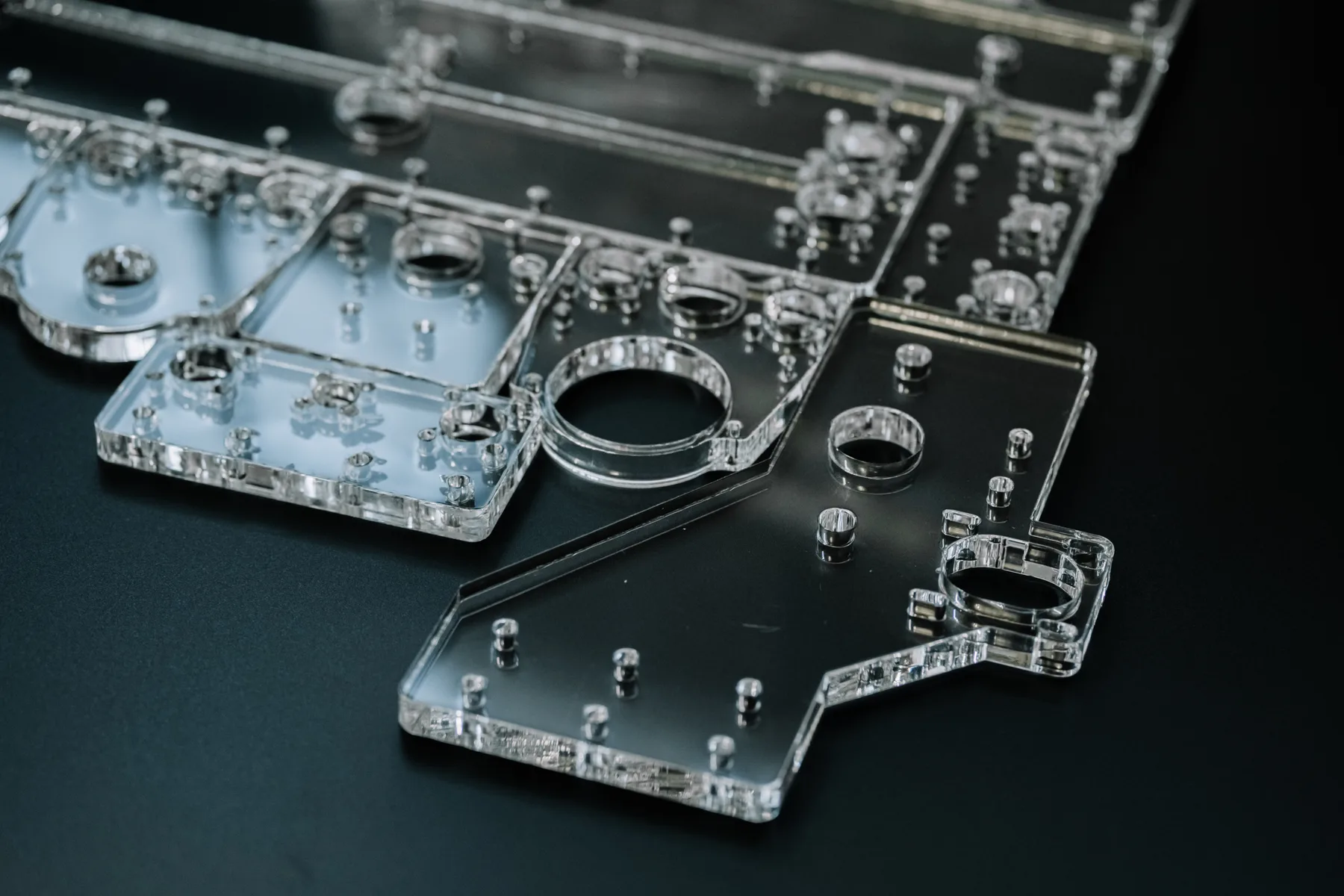
CO2 laser can be ideal for acrylic profiles and polished-looking edges, while CNC routing can suit larger panels, thicker sheets, holes and mechanical features.
ACM, PVC foamboard, HDPE and many composite sheets are usually better routed or knife cut than laser cut.
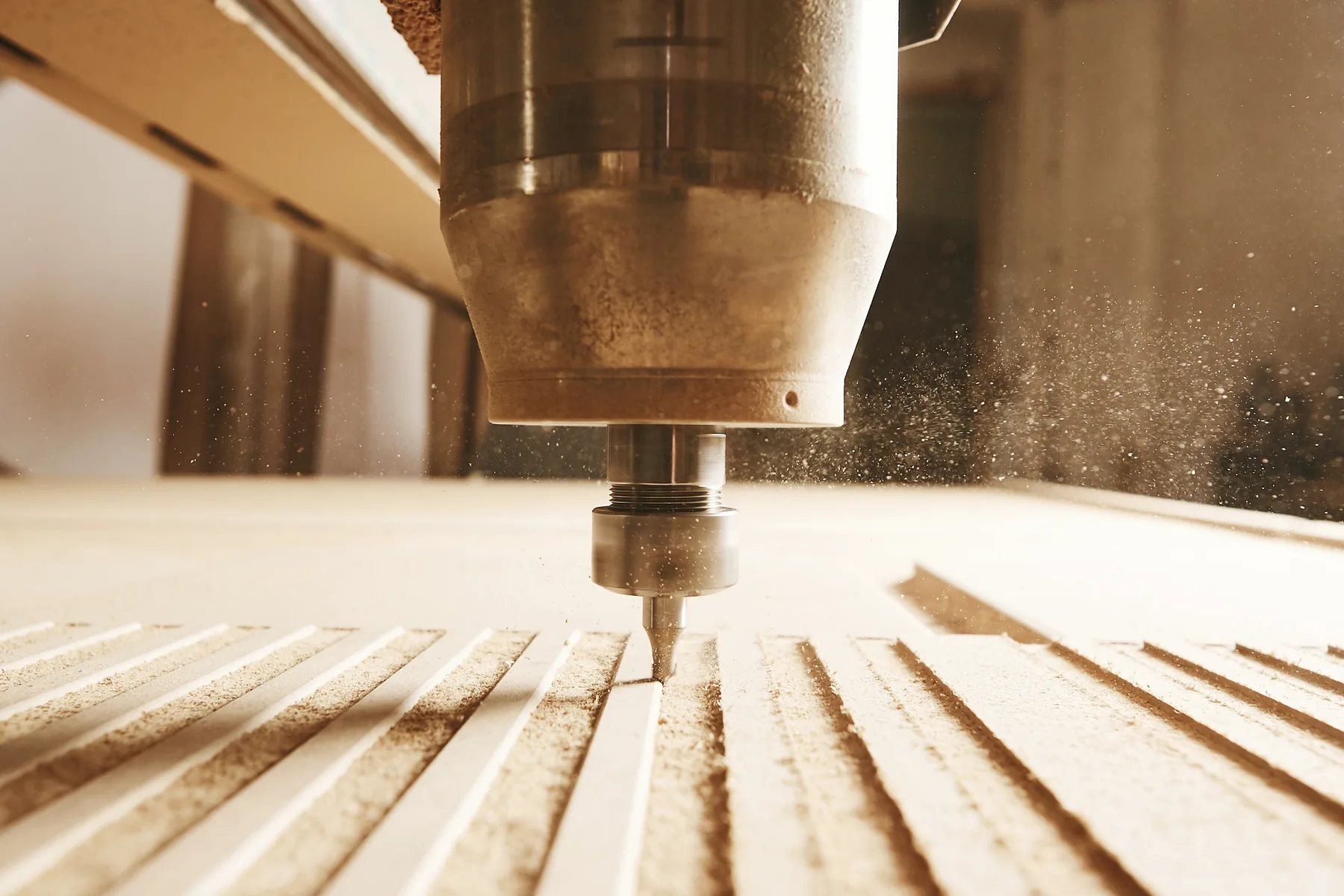
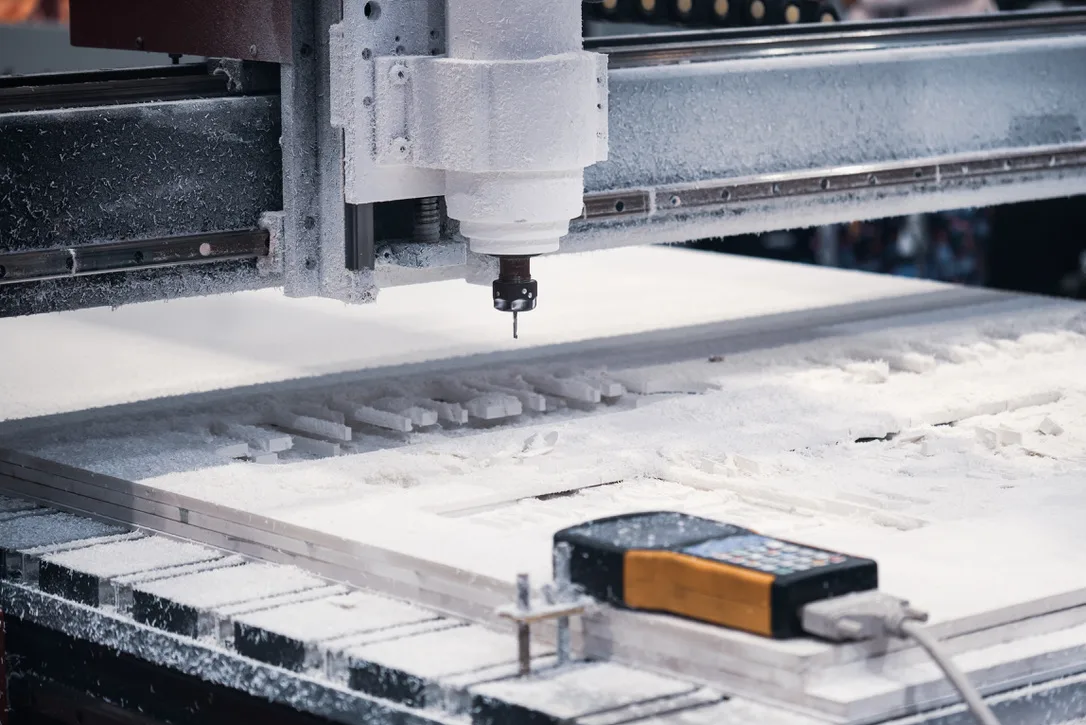
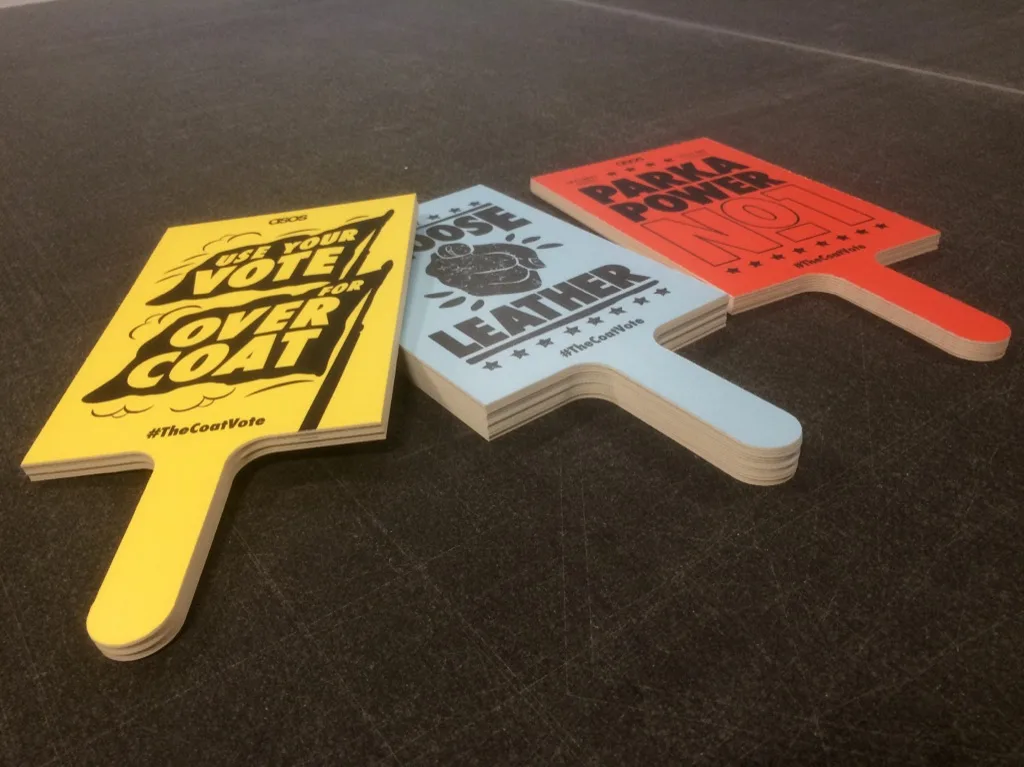
CNC routing is often the practical path for MDF, plywood, timber panels, templates, grooves, pockets and V-cuts.
Digital knife cutting is usually better than laser cutting for soft, flexible or gasket-style materials.
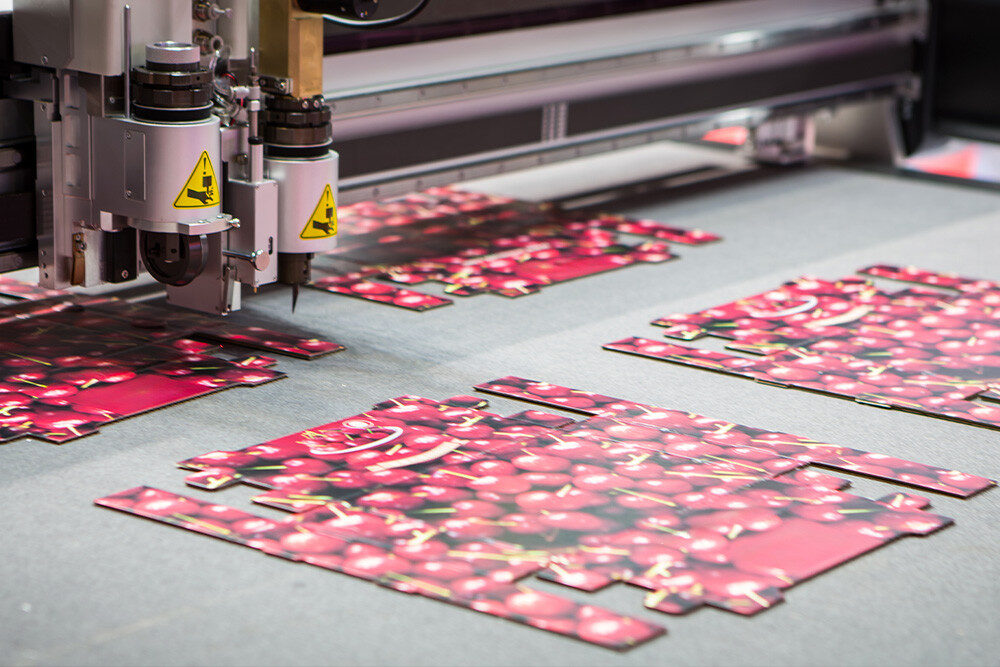
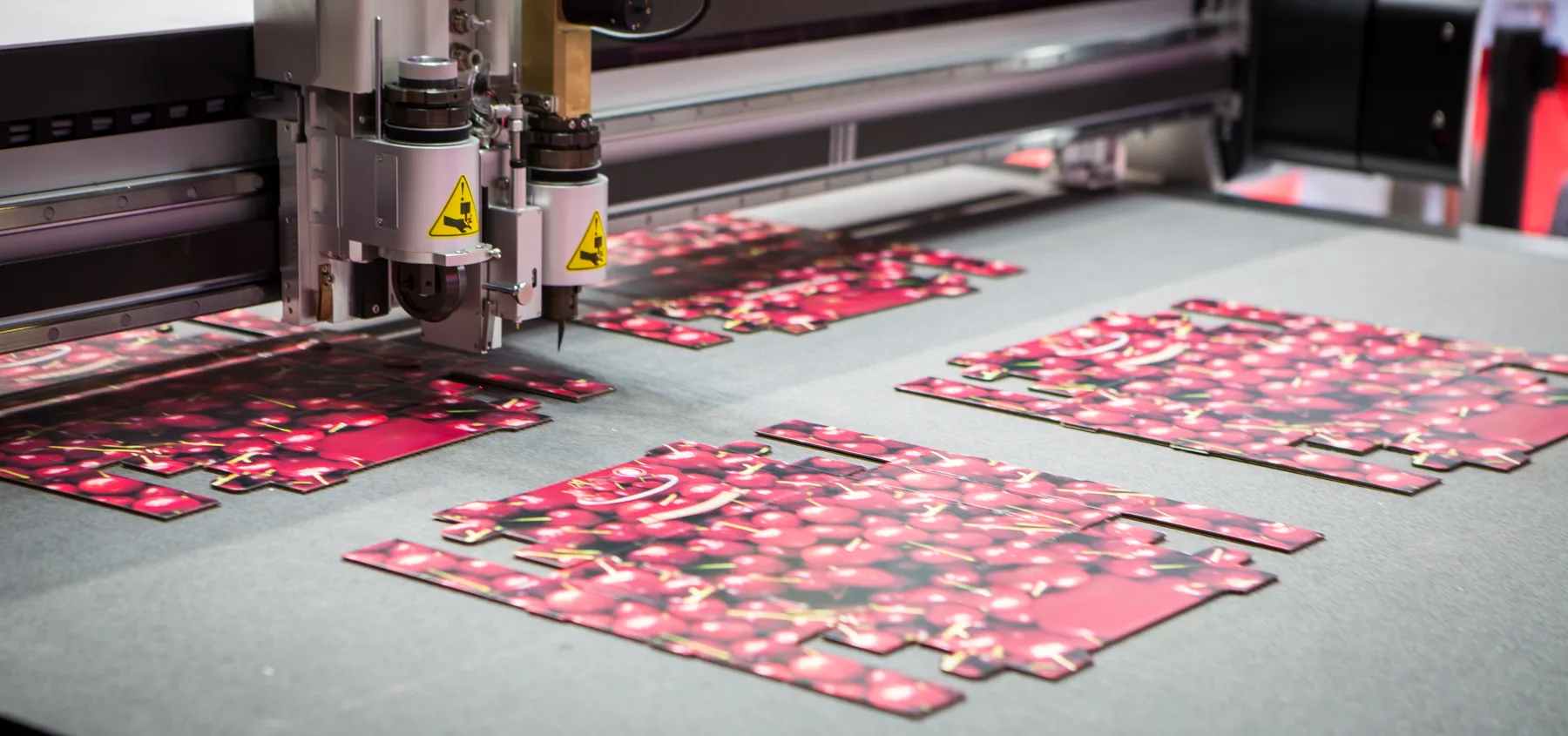
Digital knife and flatbed cutting suit cartonboard, corflute, display board, printed sheets and packaging prototypes by review.
Project gallery
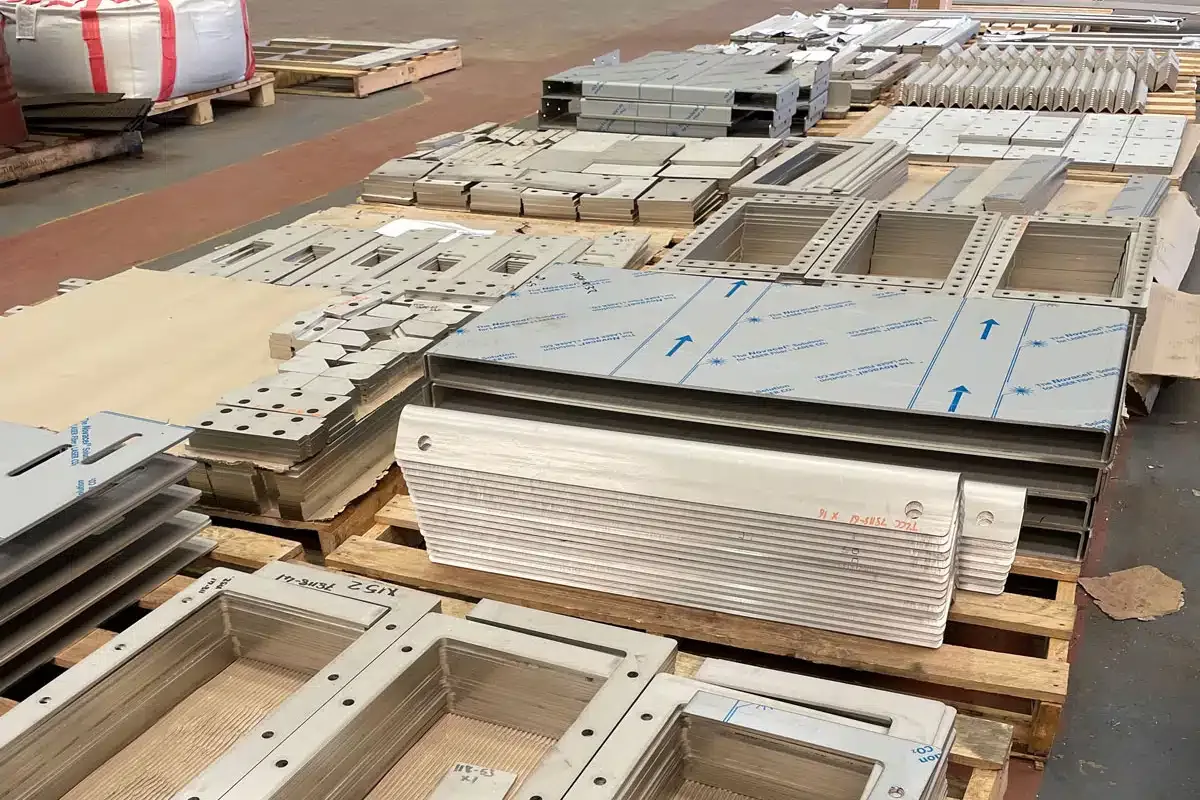
Relevant workshop, material and process photos showing the kind of cutting work we support.
Materials and production fit
The fastest quote is a clean file with known material and thickness. The safest quote is a reviewed job when finish, fit or production risk matters.
Laser cutting is strongest when the material and detail suit a non-contact cutting beam.
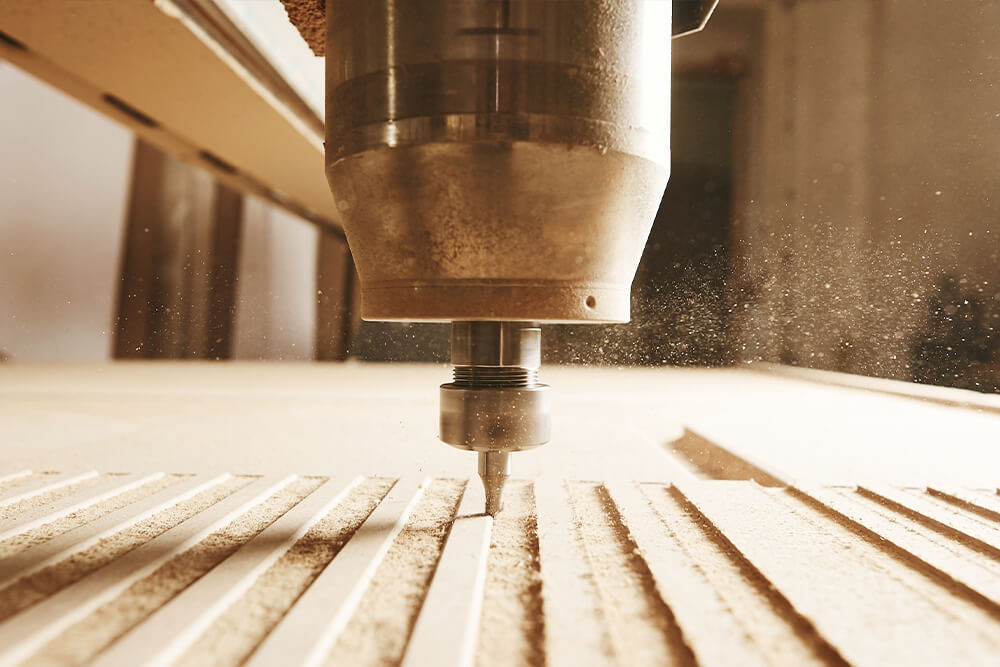
Router cutting is stronger when a physical tool path is needed.
Knife cutting avoids heat and suits soft or flexible sheet materials.
Capabilities at a glance
Process routing across fiber laser, CO2 laser, CNC router and digital knife cutting, selected by material, thickness, edge expectation and file quality.
DXF, DWG or vector PDF files with real cut paths at the correct scale.
Sign shops, fabricators, engineers, shopfitters, printers, designers, product teams, builders and trade buyers comparing cutting options.
Suitable when the material, thickness, quantity and vector cut paths are clear and the job fits a standard cutting-only workflow.
Recommended when the file needs interpretation, the material is supplied or uncertain, the job includes finishing, pockets, folds, printed registration, tight fit or mixed processes.
Sydney production support from Botany NSW, with pickup or delivery for suitable Australian jobs.
Instant pricing
Use instant pricing when the file is cut-ready and the process is obvious from material, thickness and quantity.
Reviewed quote
Use reviewed quoting for pockets, rebates, printed alignment, supplied material, finish-critical parts, mixed materials, unclear units or secondary operations.
Cutting technologies
The best process is selected around material, thickness, finish, geometry and whether the file is ready for instant pricing.
Technical guidance
Metals generally route to fiber laser. Acrylic often routes to CO2 laser or CNC router. ACM, HDPE, MDF, plywood, foam, rubber, vinyl and cartonboard usually need router or knife review.
Laser cutting can suit fine profiles and sharp internal details. CNC router cutting suits pockets, grooves, rebates, V-cuts and thicker sheet work. Digital knife cutting suits flexible sheets and printed board work.
Acrylic laser edges, routed acrylic edges, metal laser edges and knife-cut soft material edges all look different. If the edge is visible, include that expectation before production.
DXF, DWG or vector PDF files should be at real millimetre scale, with separate cut, engrave, crease, pocket or registration layers where relevant.
Related services and materials
Use these pages to compare the relevant process, material, location or application details.
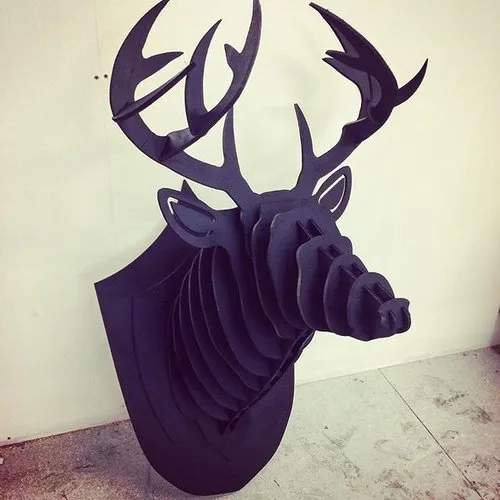 CNC Routed Feature Walls Australia
CNC Routed Prototypes Australia
CNC Routed Feature Walls Australia
CNC Routed Prototypes Australia
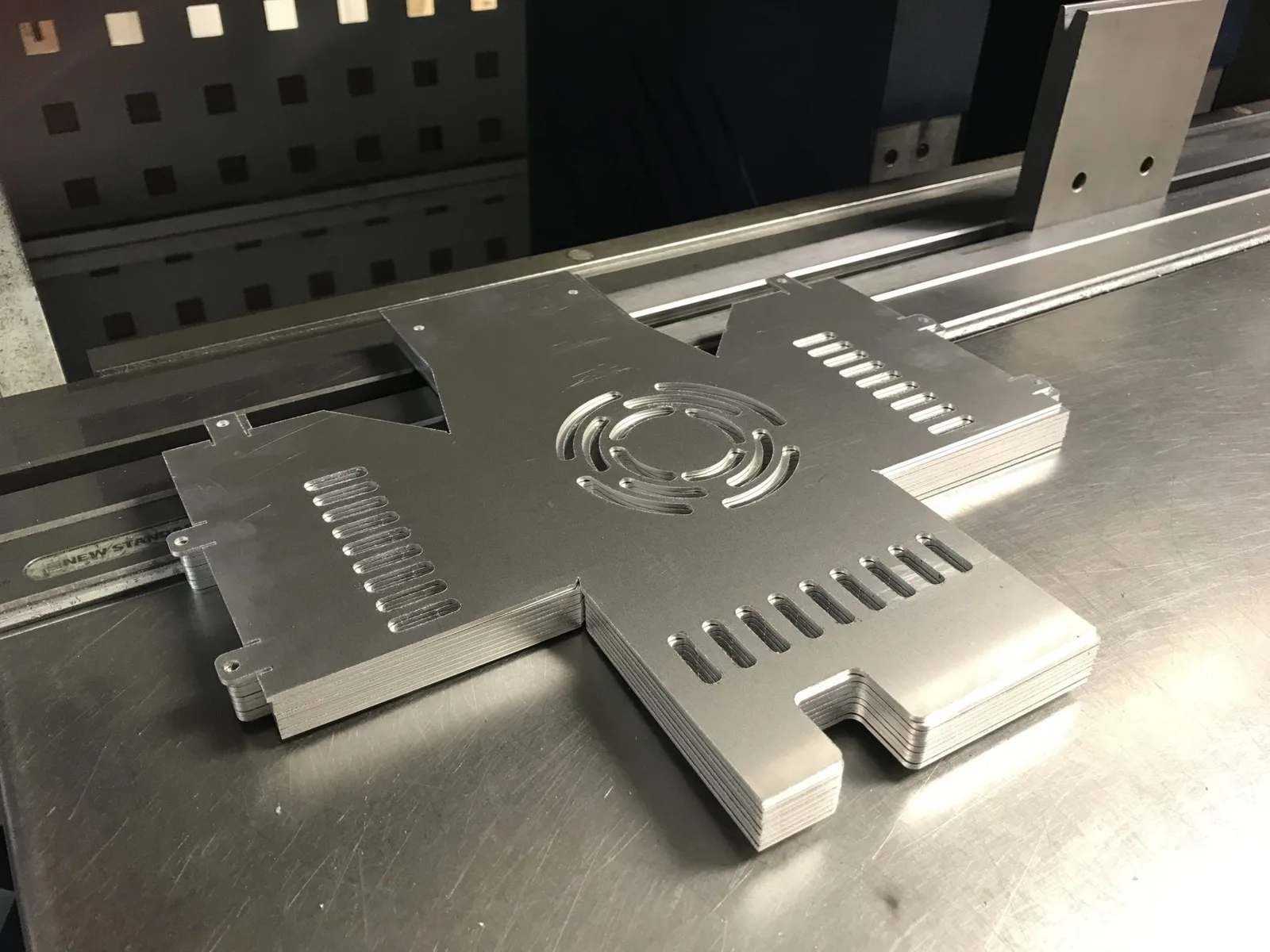 CNC Router Aluminium Panel Cutting Australia
 CNC Router CAD/CAM File Prep Australia
CNC Router Cut Plywood Australia
CNC Router Machine Capabilities Australia
Plywood CNC Cutting Design Guide Australia
CNC Router CAD/CAM File Prep Australia
CNC Router Cut Plywood Australia
CNC Router Machine Capabilities Australia
Plywood CNC Cutting Design Guide Australia
 Trade CNC Routing
 Laser Cutting vs CNC Router: Which One Should You Choose?
 Acrylic Laser Cutting vs CNC Routing
 CNC Cutting Australia
 Laser Cutting Material Thickness Guide Australia
Common questions
Neither is universally better. The right process depends on material, thickness, geometry, edge finish, quantity and whether the file needs review.
Choose laser cutting for suitable flat sheet metal, fine metal profiles and many acrylic profile jobs where the material and finish fit the process.
Choose CNC router cutting for ACM, MDF, plywood, HDPE, many thicker plastic panels, pockets, rebates, V-cuts and larger panel work.
Digital knife cutting suits foam, rubber, gasket sheet, vinyl, cartonboard, corflute, display board and other soft or flexible sheet materials.
Quote-ready files
Use instant pricing for clean cutting files, or send complex jobs through reviewed quoting when production decisions matter.