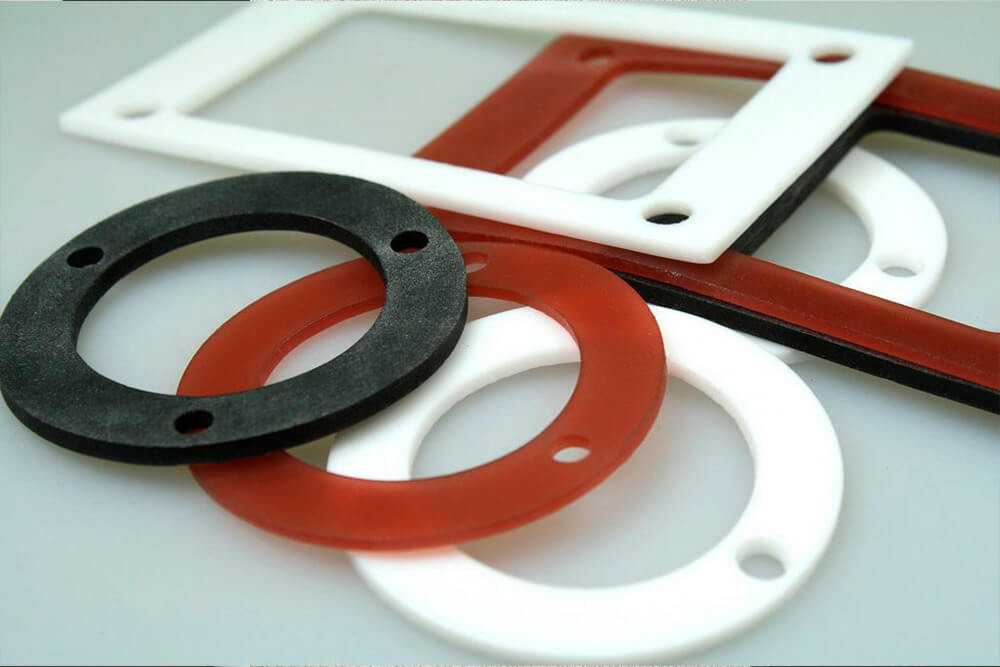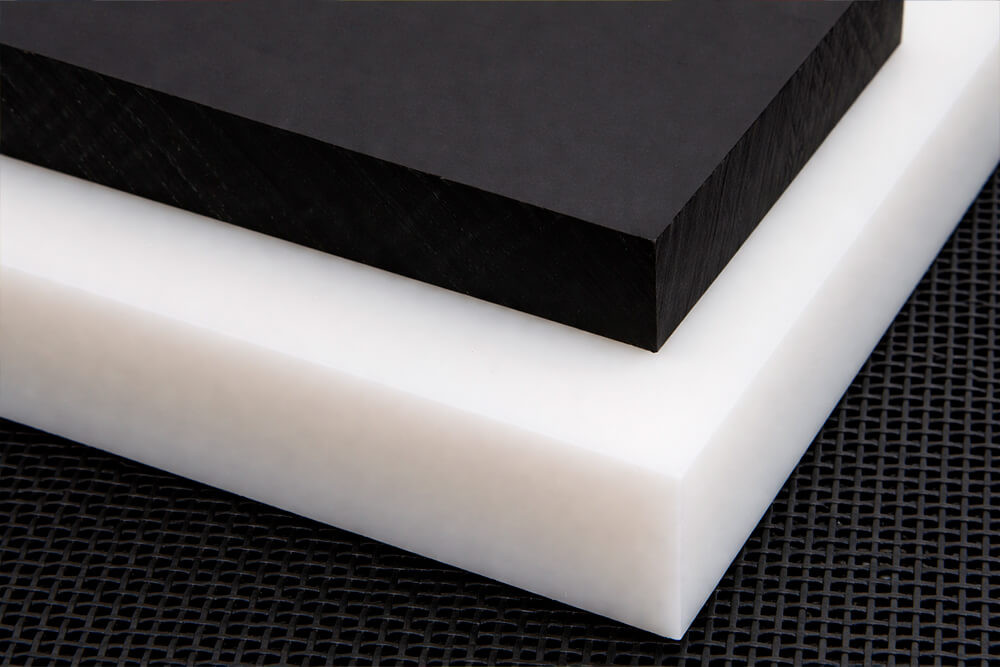
Standard ring gaskets
Flat ID/OD rings, washer-style seals and bolt-hole patterns once size, material and thickness are confirmed.

Gasket washers and spacers
Shop-style page for simple repeat flat parts: gasket washers, rubber pads, cork spacers, CNAF washers, foam seals, HDPE pads and metal/plastic shims.
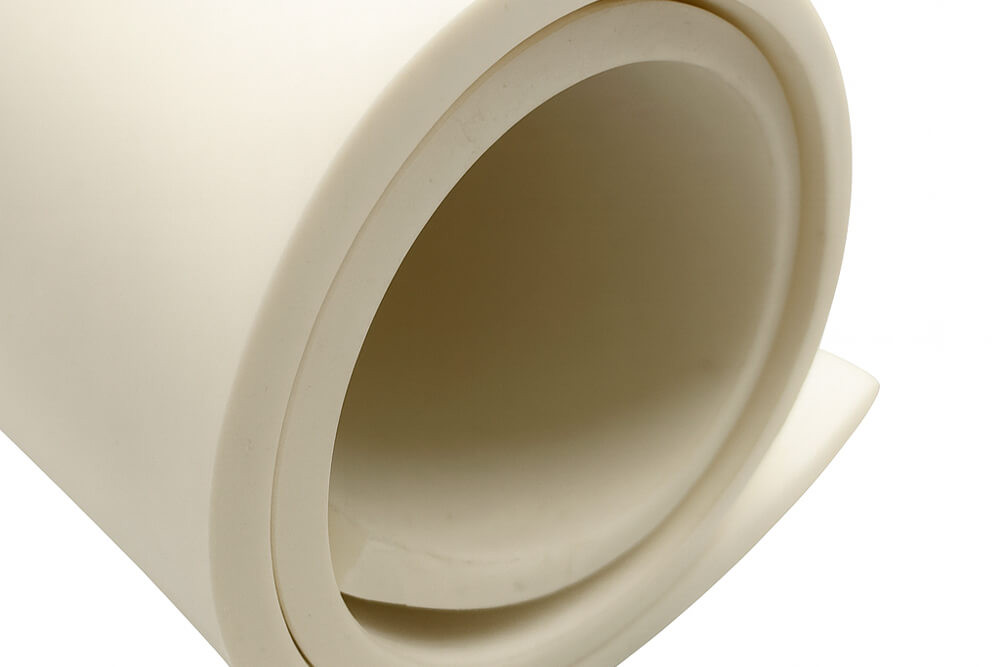
Small repeat parts
This is the strongest bridge between cutting services and practical online shop products: simple repeat items that buyers can reorder in batches.
Flat ID/OD rings, washer-style seals and bolt-hole patterns once size, material and thickness are confirmed.
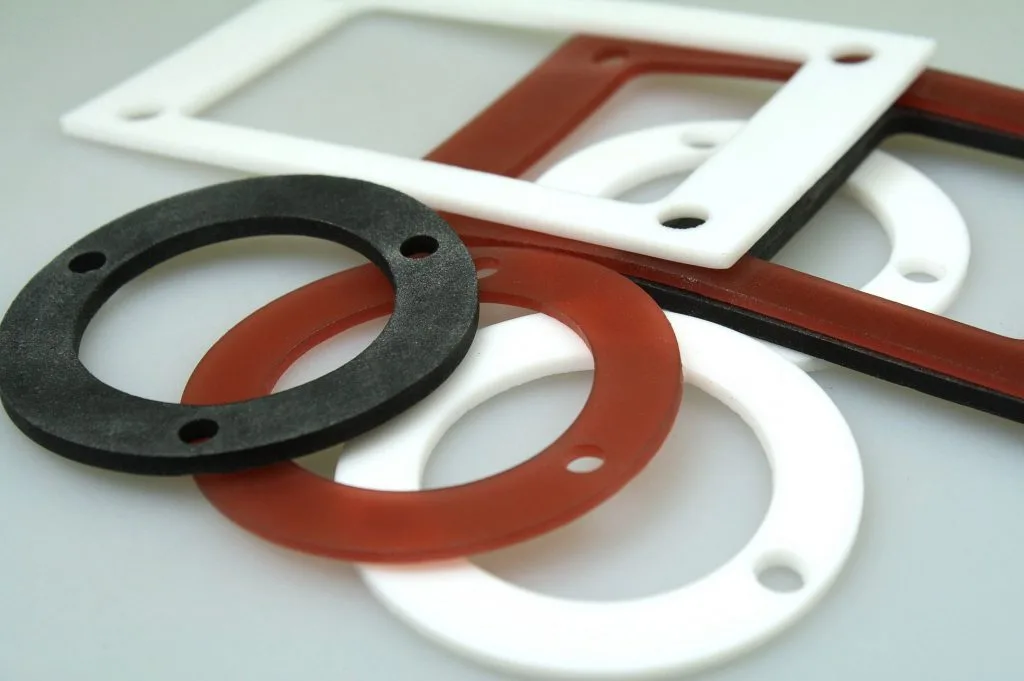
Flat flange profiles with outer diameter, inner diameter, bolt circle, hole count and thickness controlled.
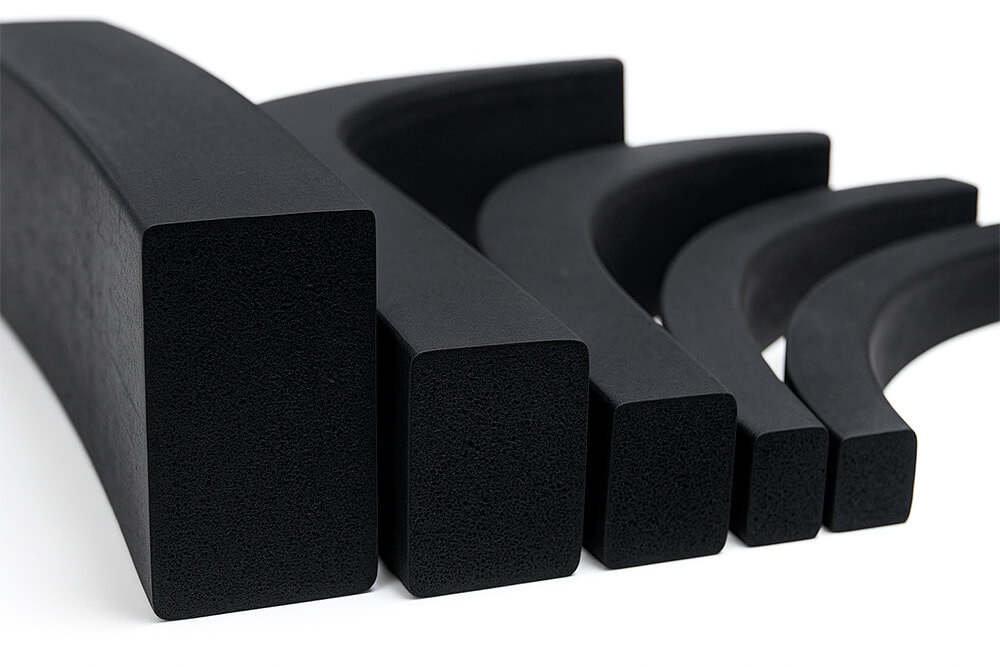
Flat access-cover, inspection-cover and enclosure gaskets with corner radius and hole positions specified.
Repeat pads, washers, spacers and flat rubber parts for practical workshop and industrial use.
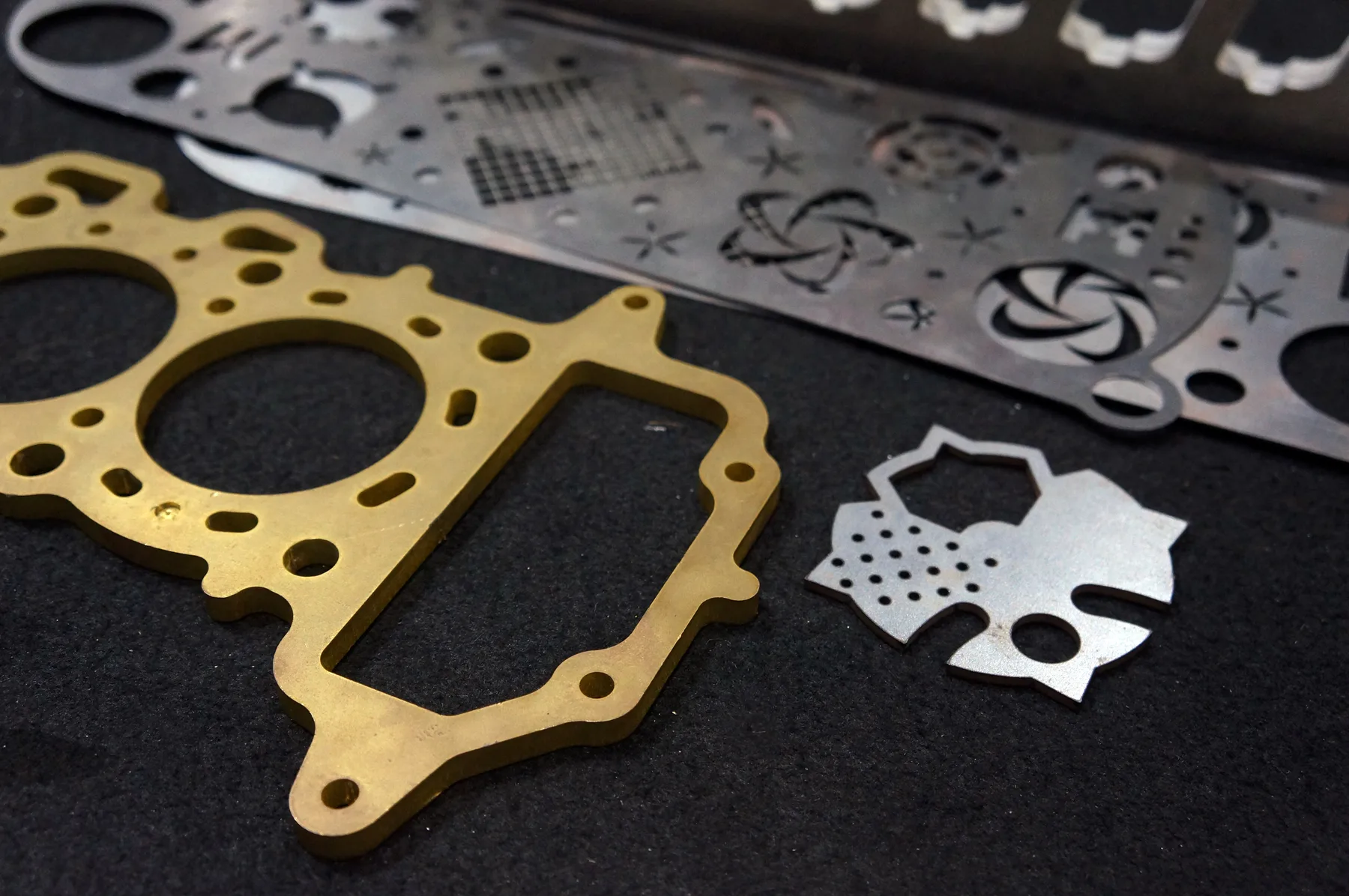
Flat tag blanks, valve tags, serial plates and small metal ID shapes for cutting or cut-and-mark workflows.
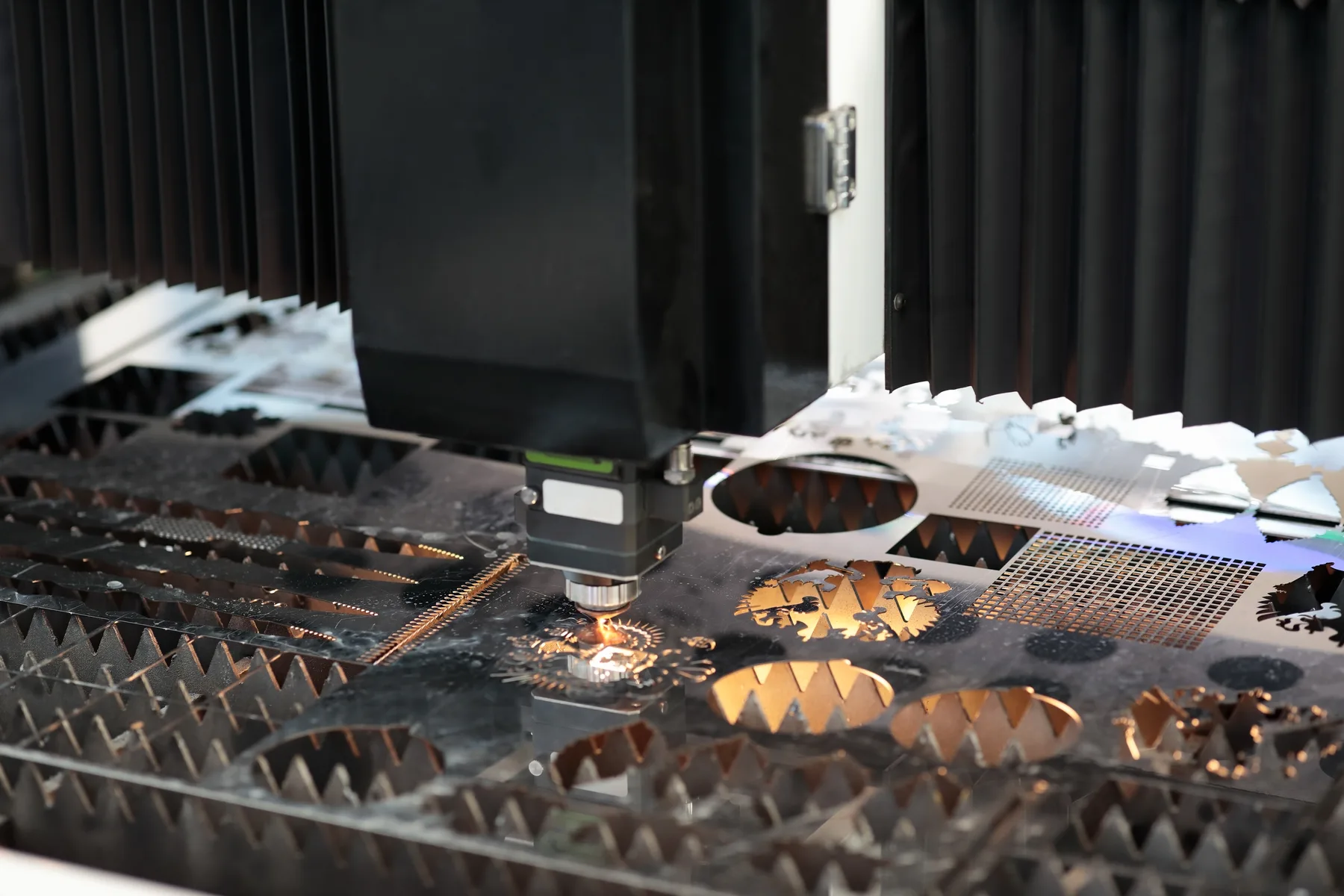
Simple flat shims, washers, packers and spacers where thickness and hole detail are clearly defined.
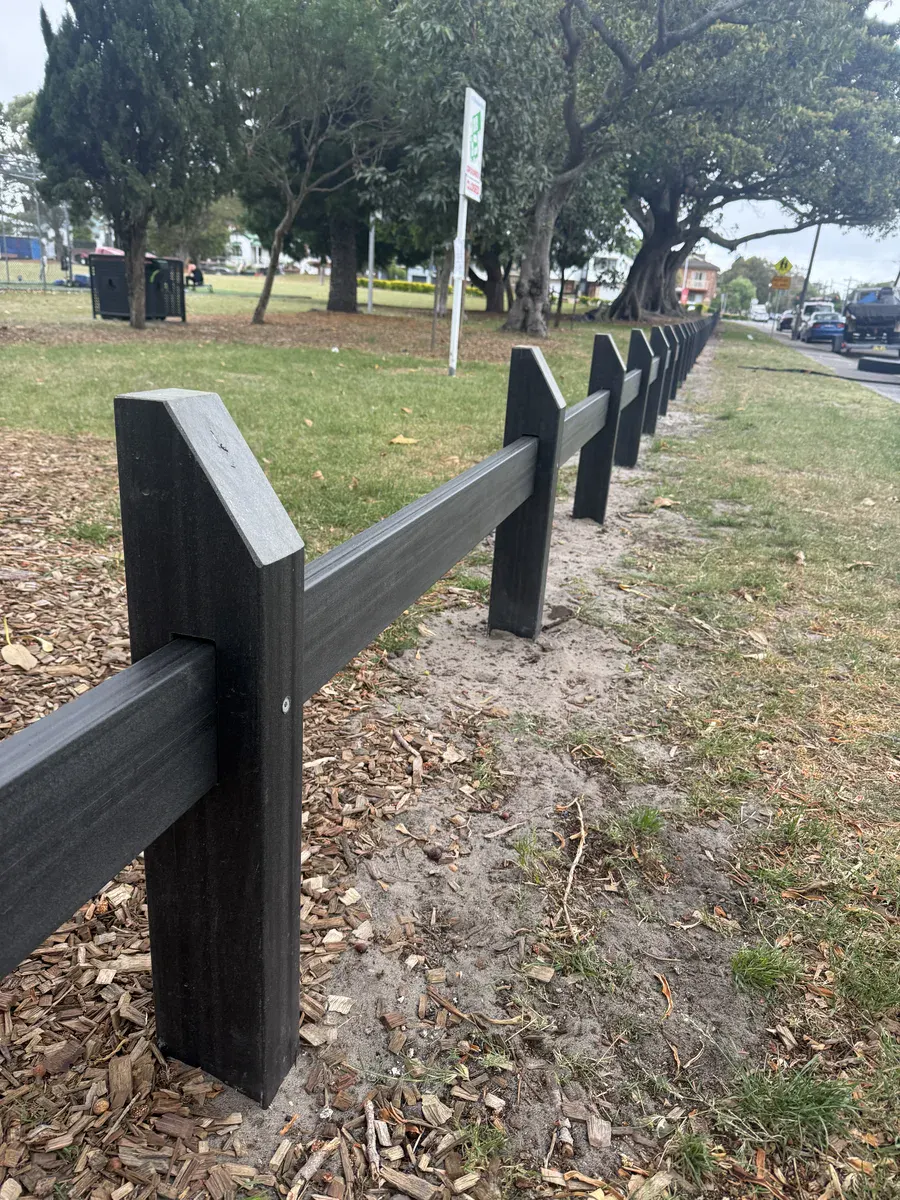
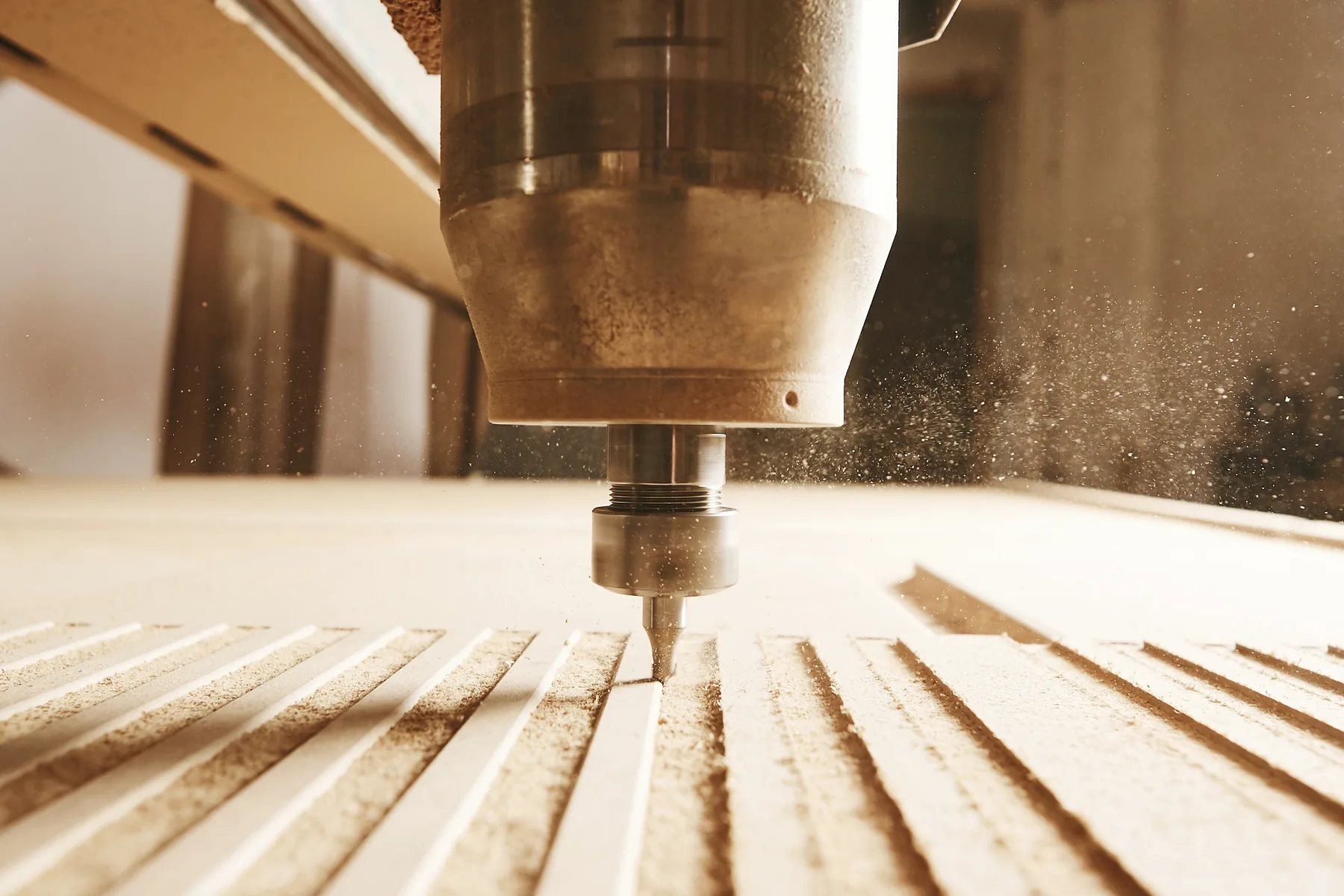
Flat pads, strips, guides and workshop-use plastic parts where router cutting is more suitable than laser.
Lock ID, OD, width, height, holes and material thickness.
Quote 20, 50, 100 and 250+ where nesting and handling make sense.
Turn proven repeat parts into named catalogue items for staff and customers.
What we cut
Shop-style page for simple repeat flat parts: gasket washers, rubber pads, cork spacers, CNAF washers, foam seals, HDPE pads and metal/plastic shims.
Start with the part, panel or material you need. Use fast online pricing when the file is cut-ready, or request review when the job needs production input before it can be accepted.
Flat rubber rings and washers in batch quantities.
Cork strips, discs and washers for suitable practical applications.
Compressed fibre washer-style parts by material review.
Flat plastic pads, wear plates and separators cut from sheet.
Flat metal shims, packers and spacer plates from suitable sheet.
Groups of flat parts sold as practical batches after approval.
Project gallery
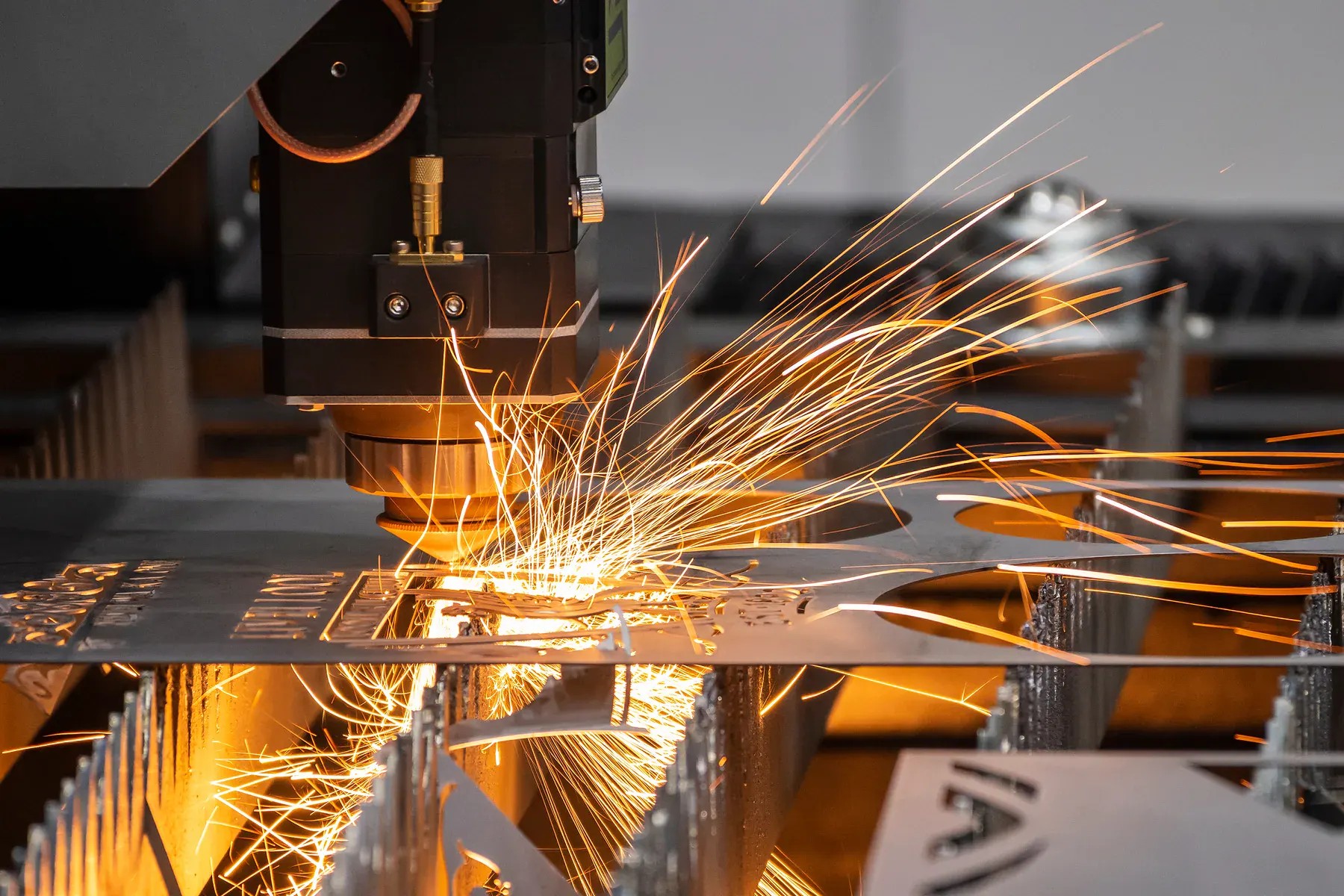
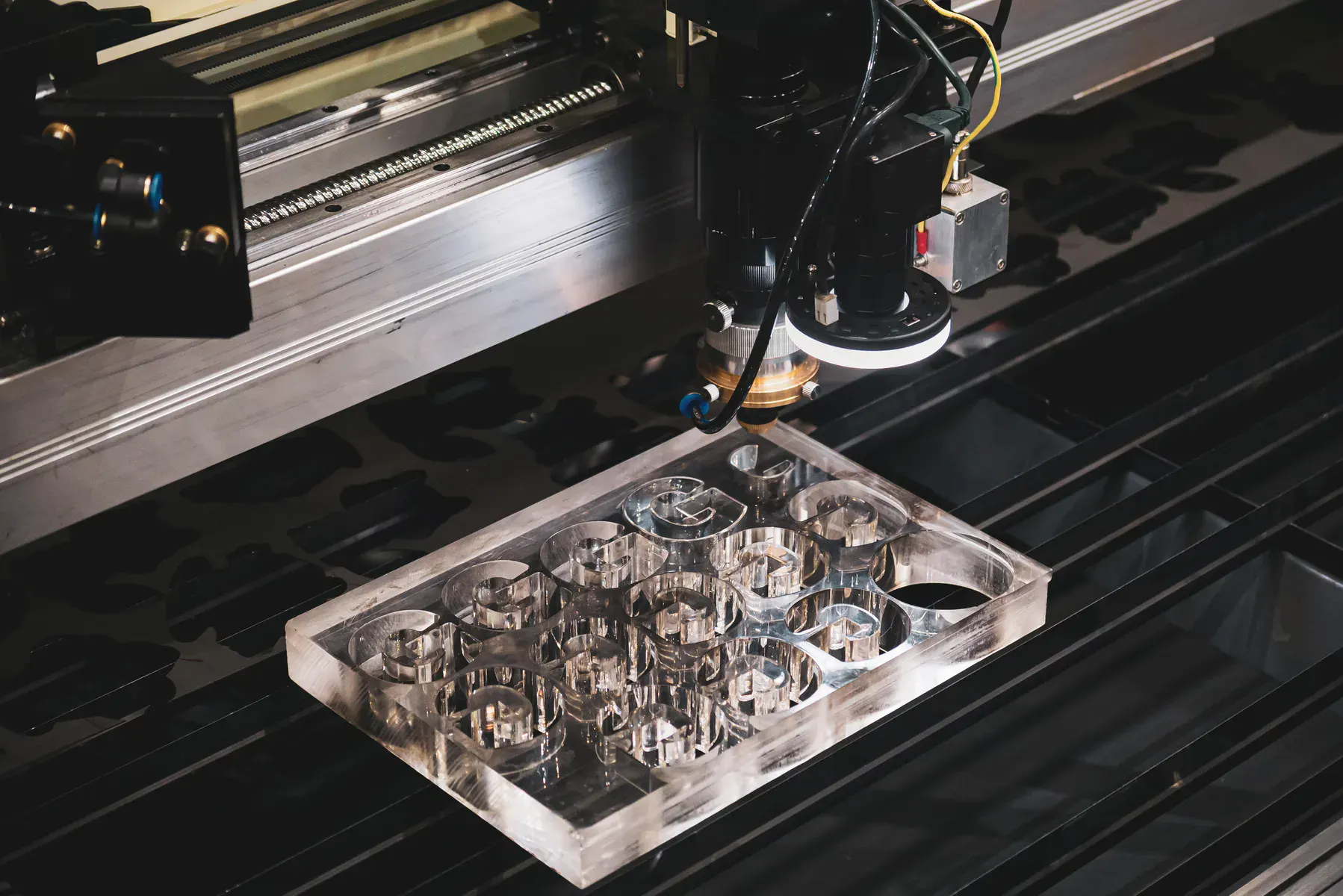
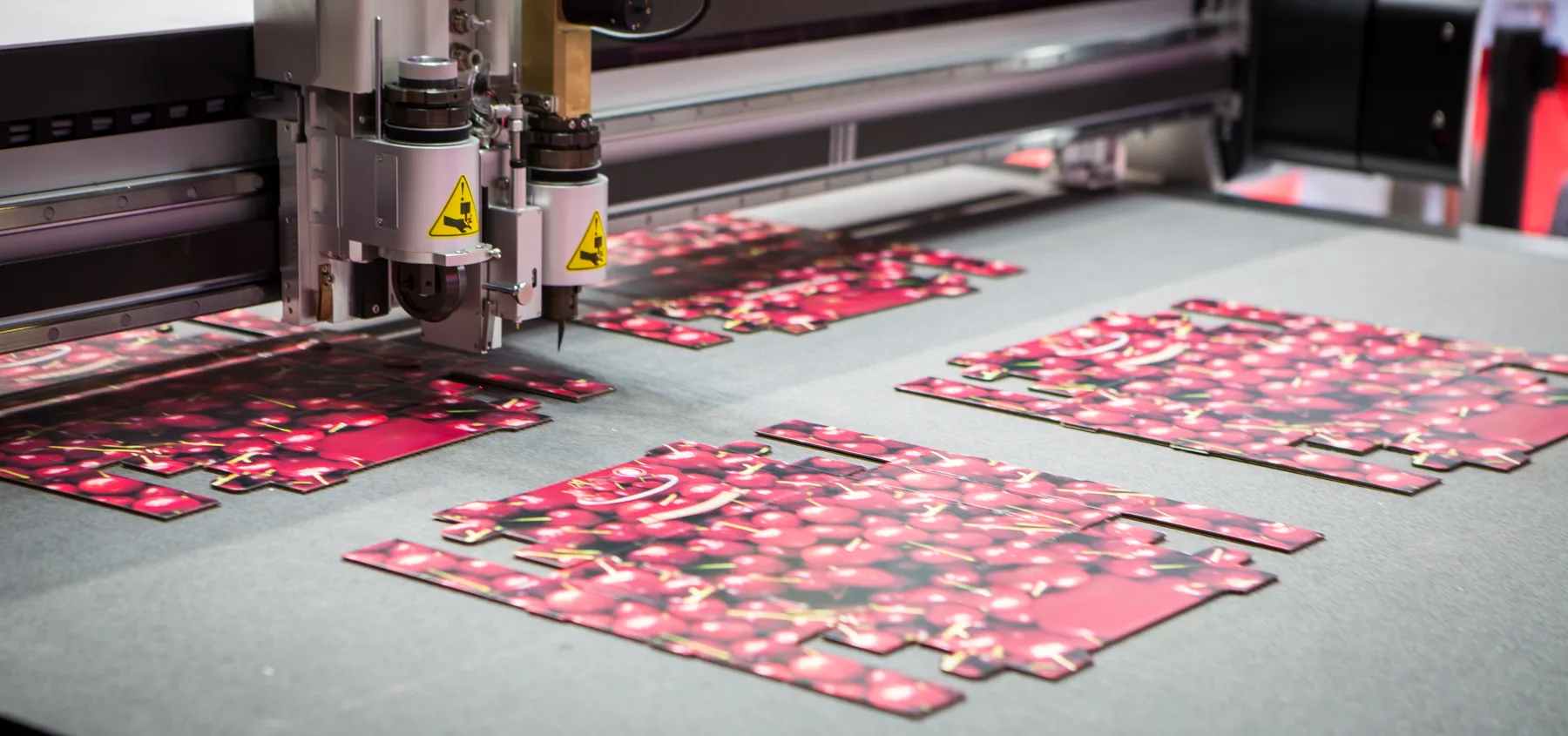
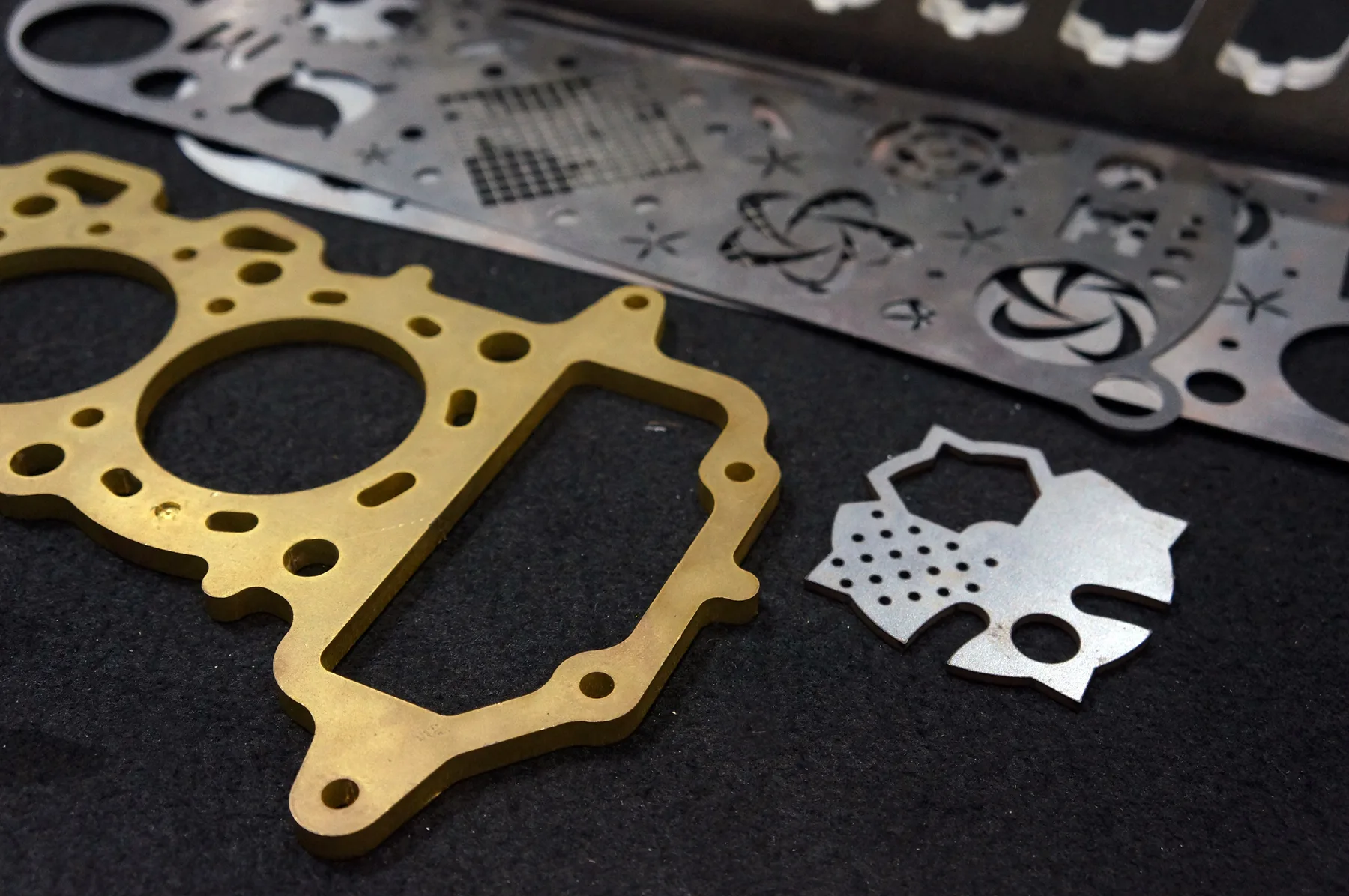
Relevant workshop, material and process photos showing the kind of cutting work we support.
Materials and production fit
The fastest quote is a clean file with known material and thickness. The safest quote is a reviewed job when finish, fit or production risk matters.
Small repeat parts can become catalogue products.
The cutting process depends on material.
These should not be priced like one-off custom jobs once approved.
Capabilities at a glance
Flat sheet cutting by material: digital knife for flexible sheets, fiber laser for metals, router for selected plastics.
Dimensions, material, thickness, quantity, hole size and whether the item is a saved repeat template.
Maintenance teams, equipment suppliers, fabricators, sign shops, industrial buyers and repeat trade customers.
Best after a simple washer, spacer or pad template is approved.
Best for first-run material choice, small fragile details, tight fit, supplied sheet or demanding use.
Sydney production support from Botany NSW, with pickup or delivery for suitable Australian jobs.
Instant pricing
Use batch pricing after the washer, spacer or pad dimensions are controlled.
Reviewed quote
Review first for material uncertainty, small fragile geometry, tight fit, supplied sheet or demanding exposure.
Cutting technologies
The best process is selected around material, thickness, finish, geometry and whether the file is ready for instant pricing.
Technical guidance
Small washers and pads should use quantity tiers once the template is approved.
Rubber and cork normally route differently from metal, acrylic or HDPE.
Tiny holes, narrow webs and thin rings can be harder than the overall part size suggests.
Group repeat washers, pads and shims into named kits for easier reordering.
Related services and materials
Use these pages to compare the relevant process, material, location or application details.
Common questions
Yes, suitable flat washers, spacers, shims and pads can be cut from sheet materials.
Yes, approved repeat templates should use batch quantities rather than one-off custom minimums.
Rubber, cork, CNAF, foam, HDPE and selected metals can be reviewed by application.
Very small one-off orders may not be economical. Batch or template ordering is the better path.
Quote-ready files
Use instant pricing for clean cutting files, or send complex jobs through reviewed quoting when production decisions matter.