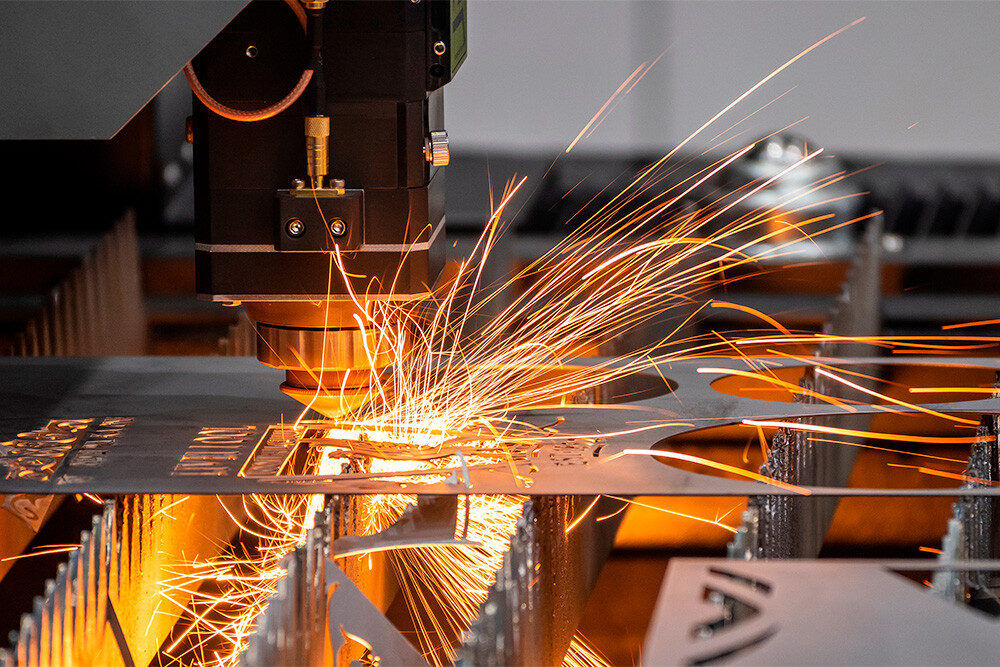
Controlled identification on cut sheet parts
Reviewed engraving, etching and part-marking routes for equipment labels, asset identification, panel legends and production parts made from suitable acrylic, engineering plastics and selected sheet materials.
Material, marking process, depth, contrast, environment and acceptance criteria must be reviewed together. An engraved component is not automatically a certified compliance label or a guaranteed durable asset tag.
LCE can review flat labels and marked parts where the content, material, geometry and intended use are clearly defined. The approved file and written quotation control what is cut, engraved or etched.
Flat plates carrying approved equipment names, model references, internal identifiers or operating information for later mounting by the responsible equipment team.
Defined identifiers for assets, plant areas, racks, cabinets or infrastructure, subject to a reviewed material and marking route for the stated environment.
Text, symbols and reference markings aligned to approved switches, controls, indicators or apertures on a separate plate or suitable panel face.
Part numbers, revision references, assembly positions and orientation marks used to organise cut components, kits and controlled production workflows.
Customer-controlled sequences can be reviewed when every value, order and file-to-part relationship is supplied in an unambiguous approved schedule.
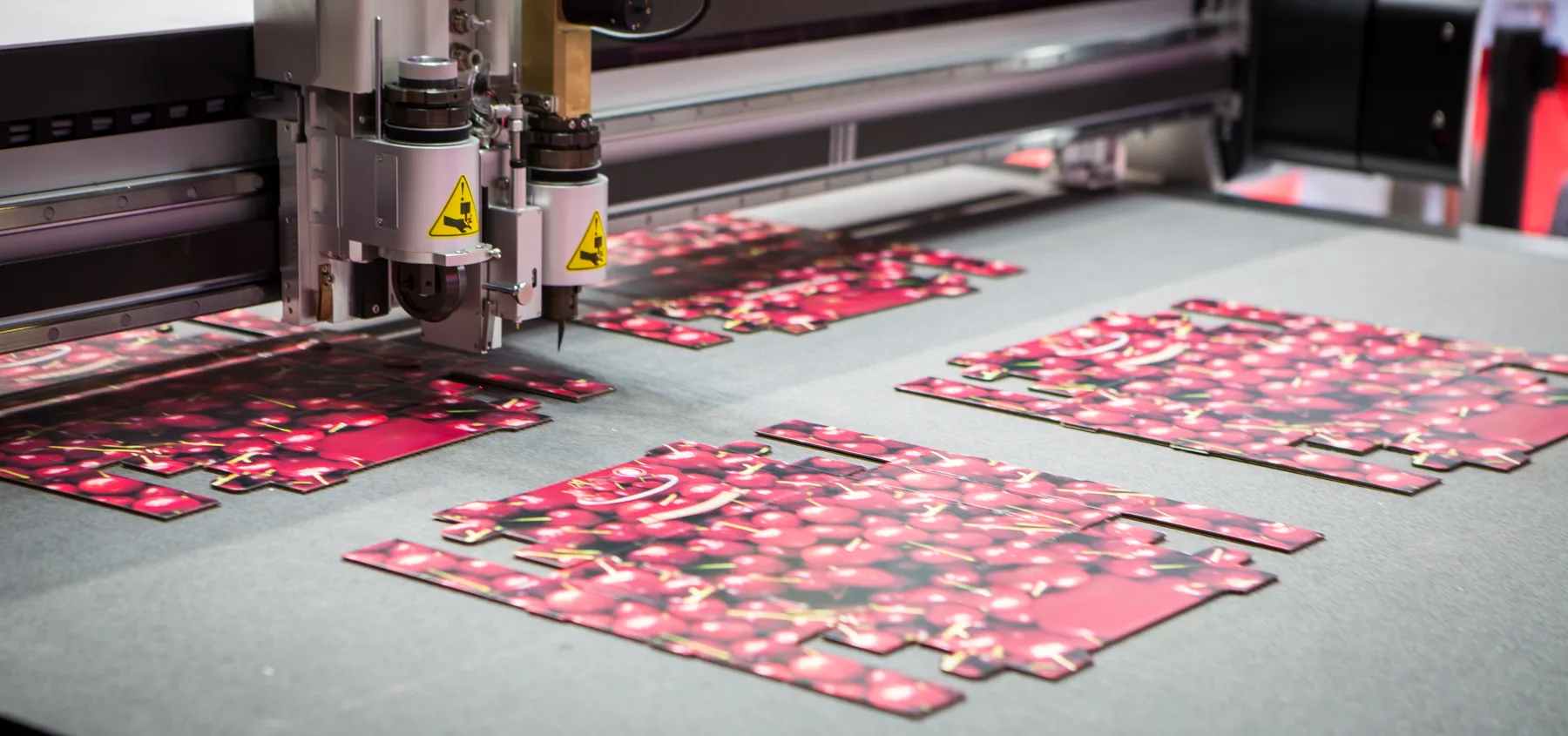
Suitable cut parts can carry simple labels, reference lines or assembly information where the chosen process and material provide an acceptable result.
Engraving is not a single interchangeable process. The substrate, surface, colour, required depth, feature size and application determine whether CO2 laser engraving, CNC engraving, selected etching or another production route should be assessed.
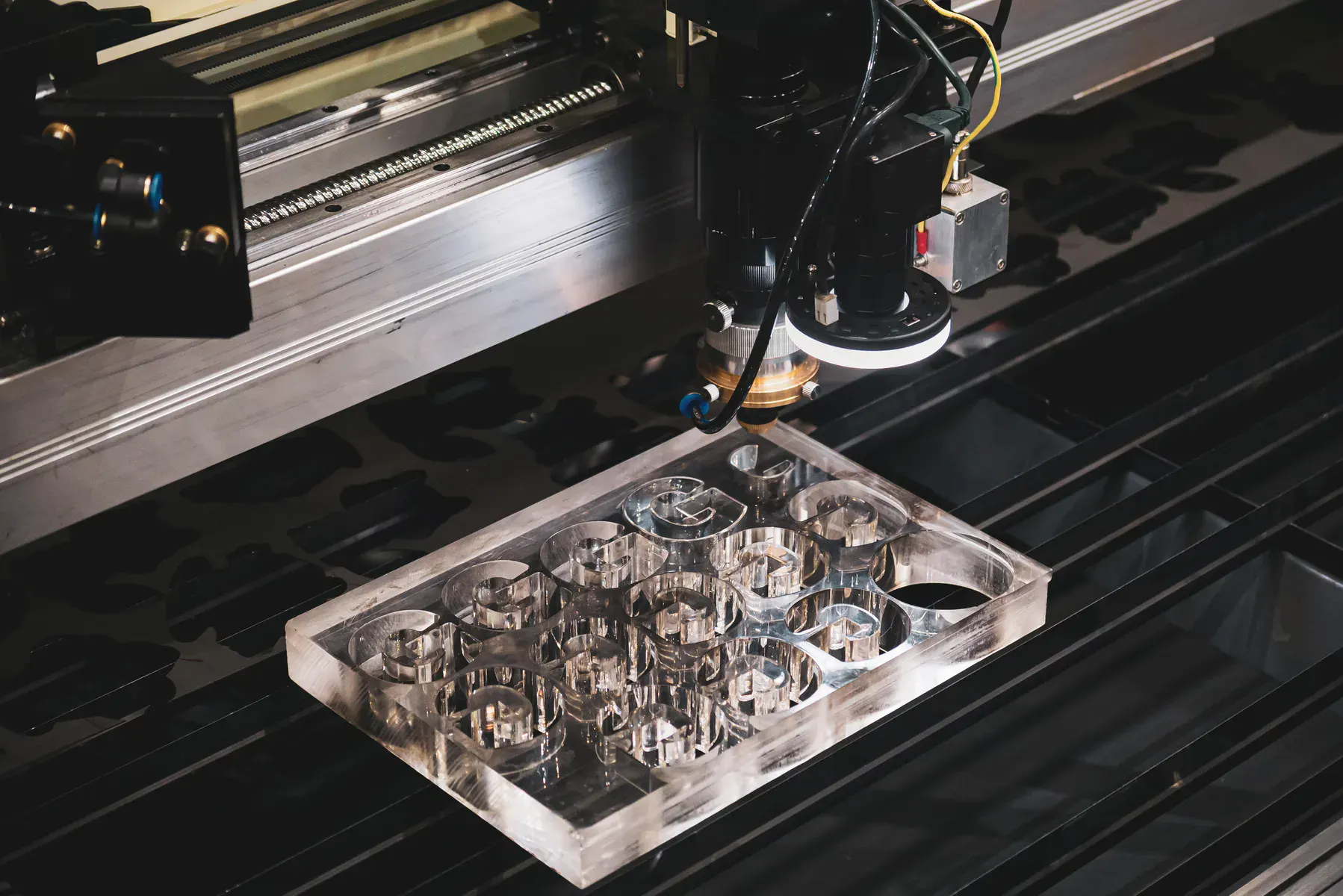
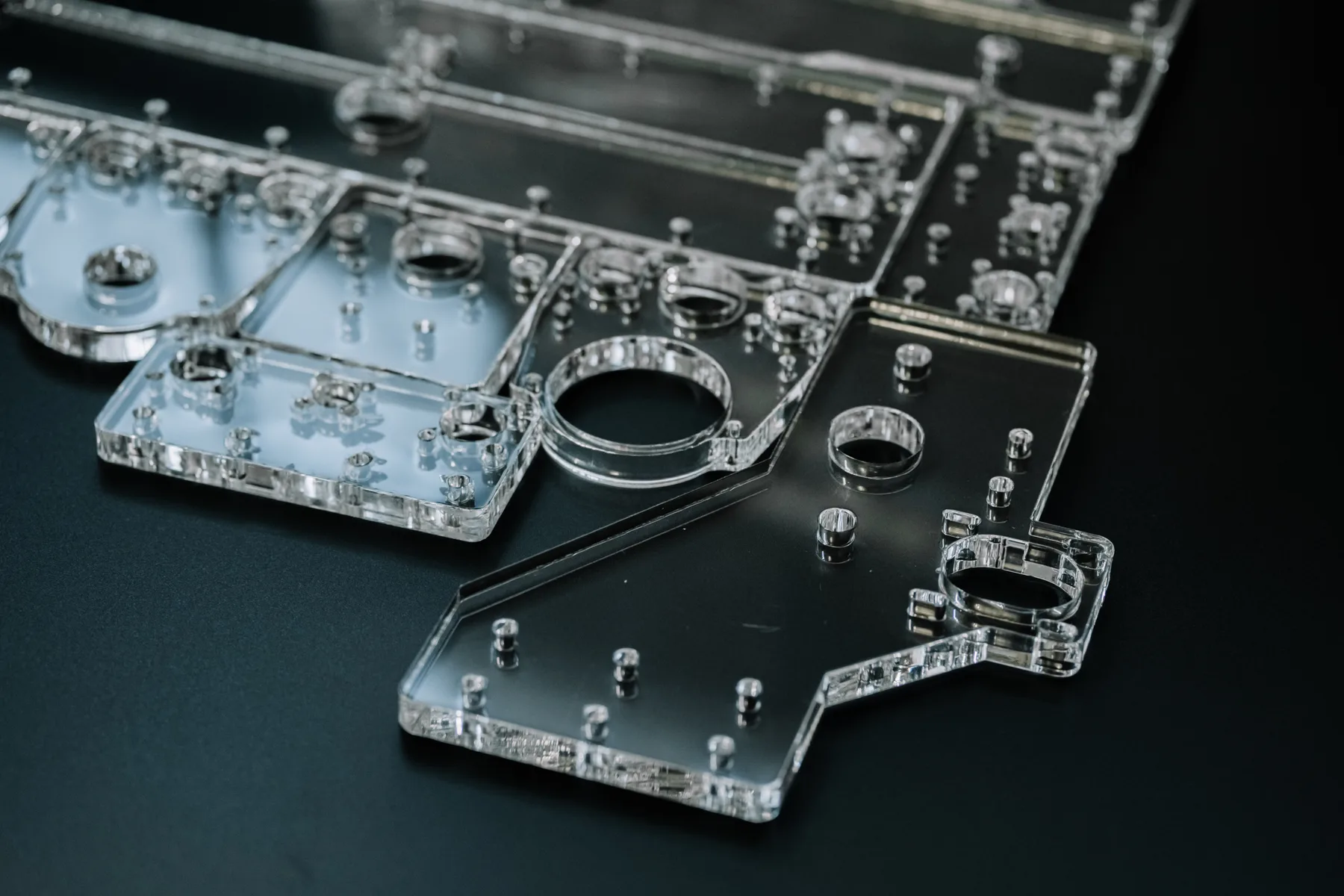
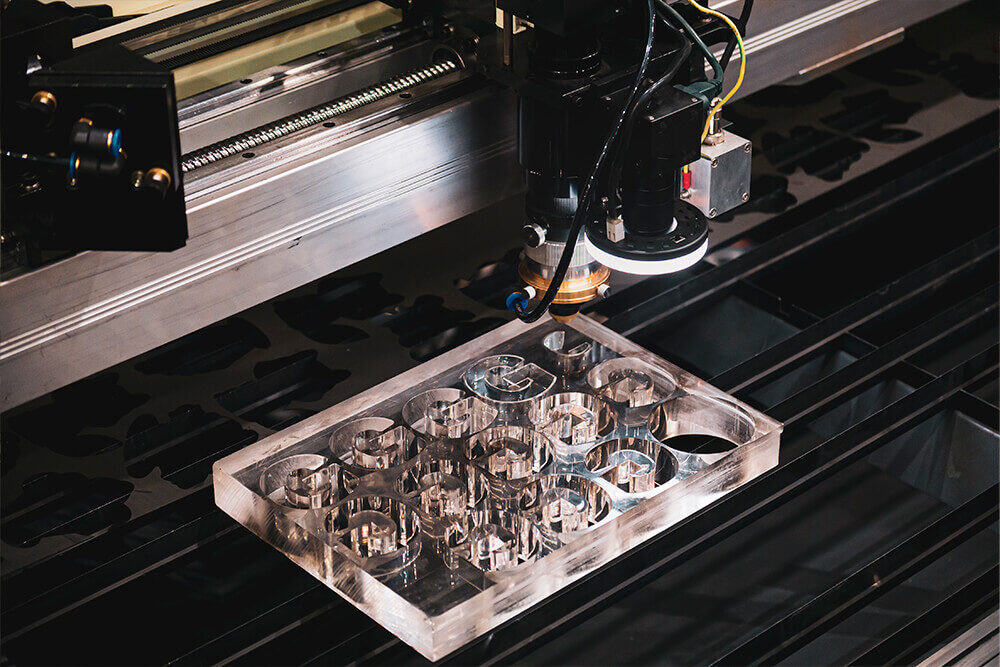
LCE’s current acrylic capability includes laser engraving of approved logos, text and vector patterns. Clear, frosted, black, white, opal, coloured and selected mirror acrylic grades can be reviewed.
The visible effect varies with grade, colour, surface and viewing conditions. Engraving settings are developed for the actual artwork and material rather than treated as a universal depth or finish.
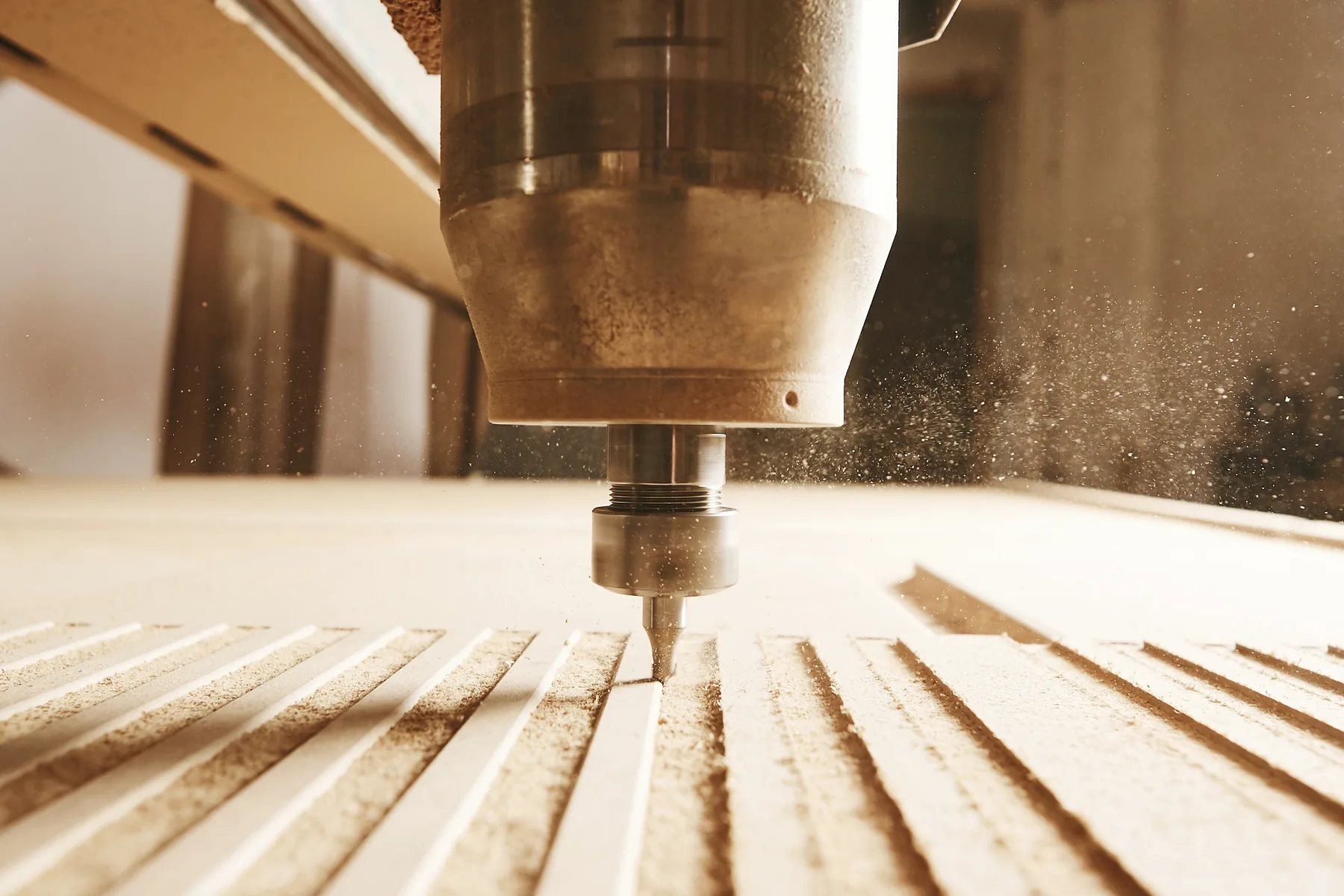
CNC routing can add light engraving, pockets or functional markings to suitable HDPE and other approved sheet products. Tool access, cutter diameter, corner radius and material behaviour affect the achievable geometry.
HDPE marking depth and visibility depend on the sheet colour and grade. Where contrast is inadequate, a separate printed component, inlay or another quoted solution may be more appropriate.
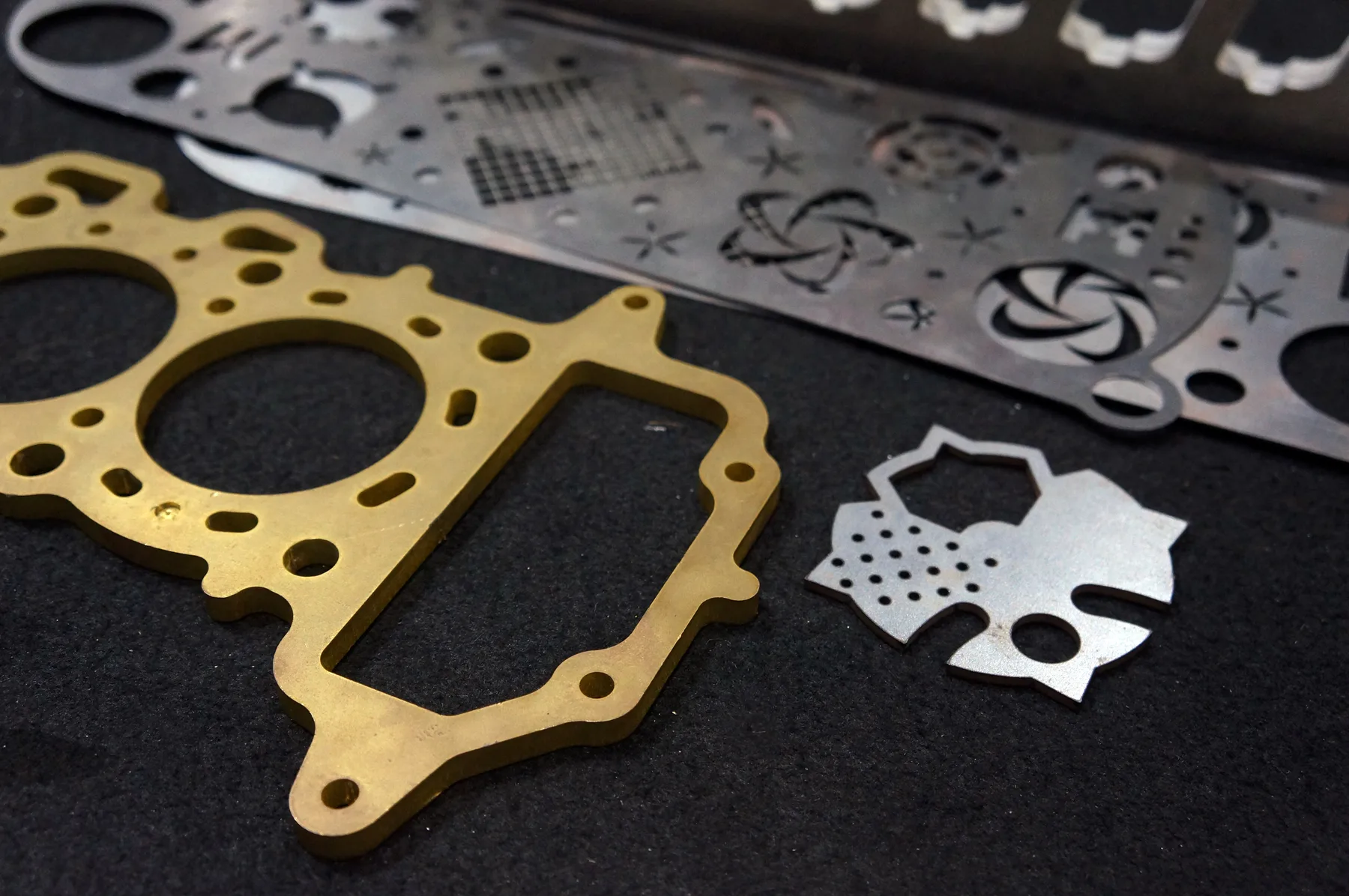
Selected metal and finish combinations may be reviewed for etched or marked identification. A metal that cuts successfully does not automatically produce a durable, dark or high-contrast mark.
Supply the alloy, finish, visible face, required content and application. The quotation must confirm the process before metal marking is included.
Paint fill, UV print, pre-coloured engraving stock, applied graphics, inlays or separate labels may solve requirements that direct engraving cannot. They are not included merely because identification appears in the drawing.
Any added colour, adhesive, printed layer, insert or finishing operation must be stated and priced in the written scope.
A mark that is visible in a workshop sample may behave differently after cleaning, abrasion, sunlight, heat, moisture, chemicals or installation. State the real conditions before selecting a label construction.
LCE produces a cut and marked component to the approved scope. It does not certify the wording, symbol, rating, standard, safety classification or legal suitability of the finished label.
The customer, engineer, equipment manufacturer or other responsible party must approve the content, material, attachment, readability, environment and any regulatory requirements before production.
The marking file is production data. A spelling error, duplicated serial number, obsolete revision or incorrect symbol can make a correctly manufactured plate unusable.
QR codes, barcodes and machine-readable marks depend on cell or bar size, contrast, quiet zones, surface condition, code content, scanning distance and the actual reader. Successful vector output does not prove successful scanning.
Where a code is required, provide the generated vector artwork or authorised data source, the code standard, minimum physical size, reader conditions and required verification method. The responsible party should test the produced item in its real operating context.
LCE will not invent serial values, certify database uniqueness or guarantee machine readability unless those controls and tests are expressly defined in the quotation.
Provide clean 1:1 vector geometry and a visual reference that makes the cut and mark instructions impossible to confuse.
The minimum practical character, gap or engraved line is affected by the chosen material, process, tool or beam response and the contrast needed by the application.
Do not rely on a universal minimum copied from another job. Include the intended physical dimensions and request review before issuing dependent hardware, artwork or installation documentation.
The label can be cut to an approved outline with holes, slots, rounded corners, alignment features or panel apertures where the selected material and process permit them.
State the mounting method and critical geometry. Adhesives, tapes, studs, screws, rivets, inserts, backing plates, drilling templates and installation are not automatically supplied. They are included only when the written quotation identifies the product, preparation and owner.
Engineering, government and infrastructure work can use approved part numbers or orientation marks to organise complex nests and kits. The marking should support handling without being mistaken for independent traceability or certification.
If traceability is required, define the controlled identifier, source record, revision rules, inspection evidence and handover data. A visible part number alone does not establish a certified traceability system.
A disciplined release process protects the material, content and label-to-asset relationship.
State the purpose, environment, viewing conditions, cleaning exposure, mounting method and responsible approver.
Provide the required material or performance specification so LCE can review a compatible cut and marking process.
Submit the approved outline, cut and engrave layers, text, variable data, reference proof, revision and quantities.
Check material, process, included finishing, mounting features, proof requirement, packing and required dispatch date.
Where required, inspect the proof or sample for content, contrast, legibility, finish and compatibility before releasing production.
The responsible party verifies attachment, readability, data accuracy, environment and compliance in the final application.
Pricing depends on material, thickness, label dimensions, sheet yield, cut length, marking area, detail, quantity, variable-data handling, file preparation, proofing and any additional finish or mounting feature.
Use a reviewed quote when the job contains engraving, etching, sequential information, uncertain contrast, supplied material, multiple files or an environmental requirement. The online tool is best reserved for straightforward cut-ready geometry whose process is already understood.
Current core process pages publish typical dispatch guidance of 1–5 business days after artwork approval and material confirmation. Proofs, material sourcing, variable data, extra operations and application testing can change the job-specific date.
For repeat production, retain the approved master artwork, data schedule, material, finish, part number, revision and previous job reference. Reordering against an obsolete file can reproduce the obsolete information accurately, so every release still needs revision control.
Send the controlled artwork, data schedule, material, environment, mounting method, quantities, proof requirements and required date.
Cutting Engineering & Fabrication in Sydney. Laser Cutting Experts Offers High-Precision Cutting Services for Engineering & Fabrication in Sydney Australia.