Mounting brackets
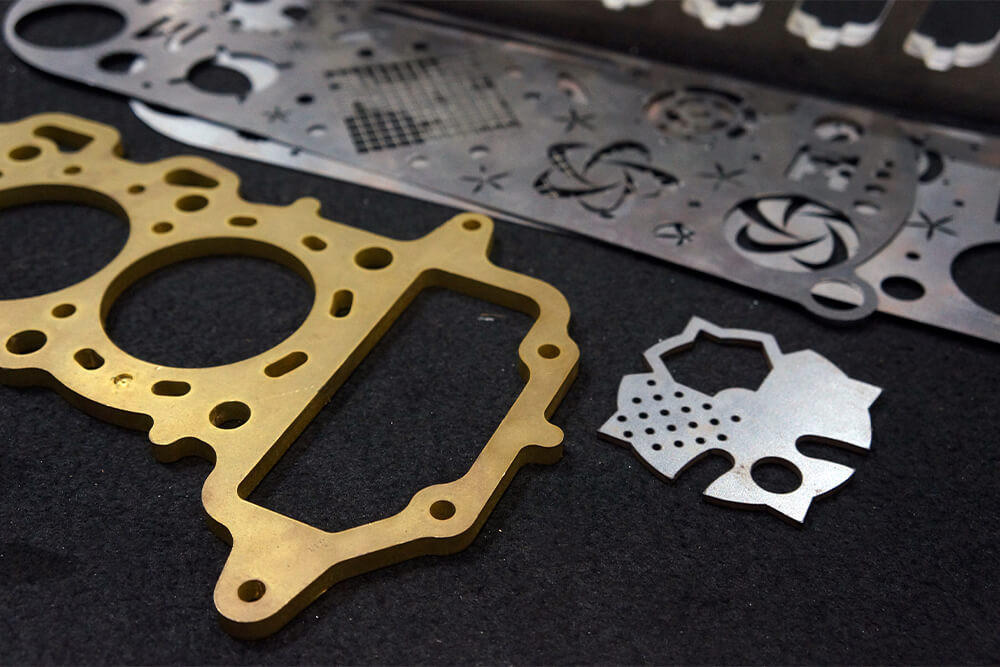
Flat brackets for equipment, signage, frames, panels and site installations.

Laser cut brackets
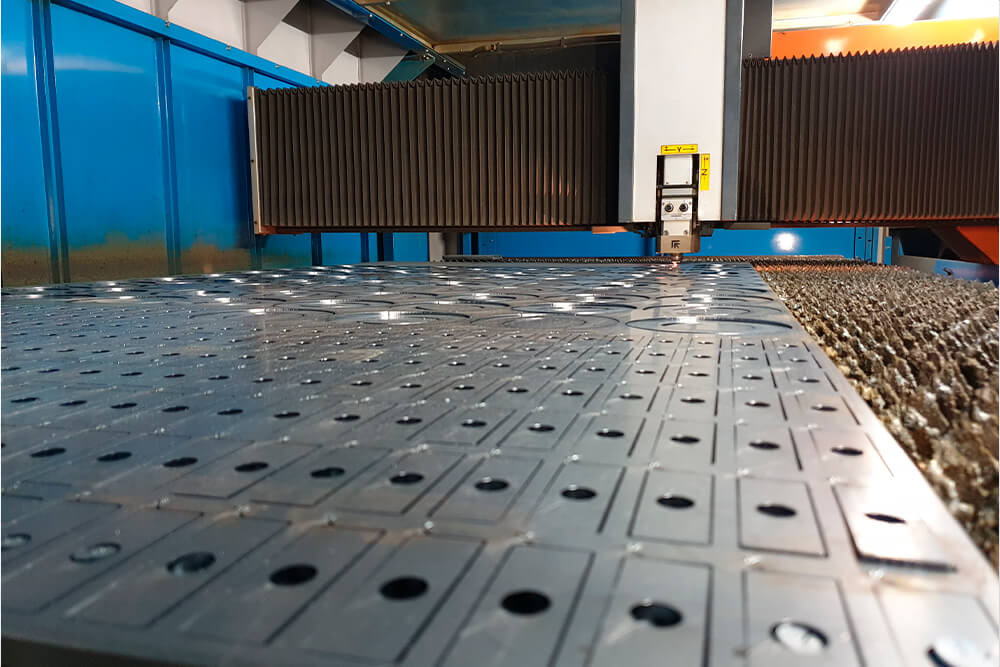
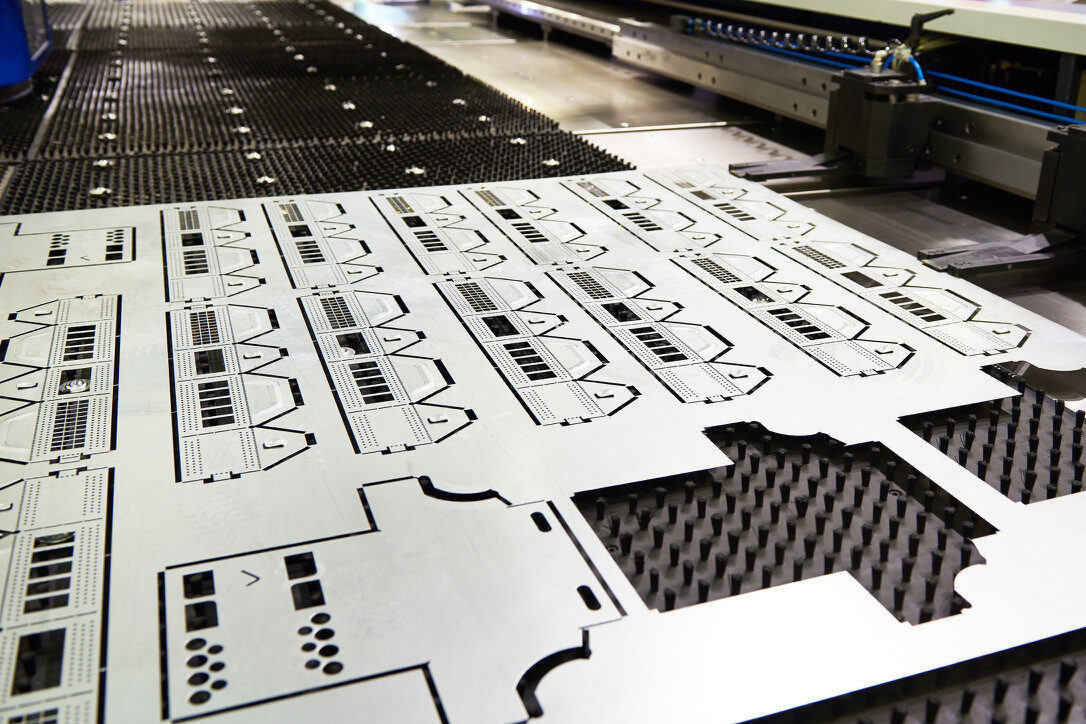
Laser cut metal brackets for fabrication, engineering, construction, signage and equipment work from clean DXF, DWG or vector PDF files.
What we cut
Laser cut metal brackets for fabrication, engineering, construction, signage and equipment work from clean DXF, DWG or vector PDF files.
Start with the part, panel or material you need. Use fast online pricing when the file is cut-ready, or request review when the job needs production input before it can be accepted.
Flat brackets for equipment, signage, frames, panels and site installations.
Strengthening components for fabricated frames, brackets and structural assemblies.
Small metal details for welding, bolting, aligning and joining parts.
Mounting plates and fixing plates for fabrication, construction and machinery.
Custom bracket profiles for signs, panels, letters and installations.
Recurring bracket files for trade accounts, OEMs and fabrication teams.
Project gallery
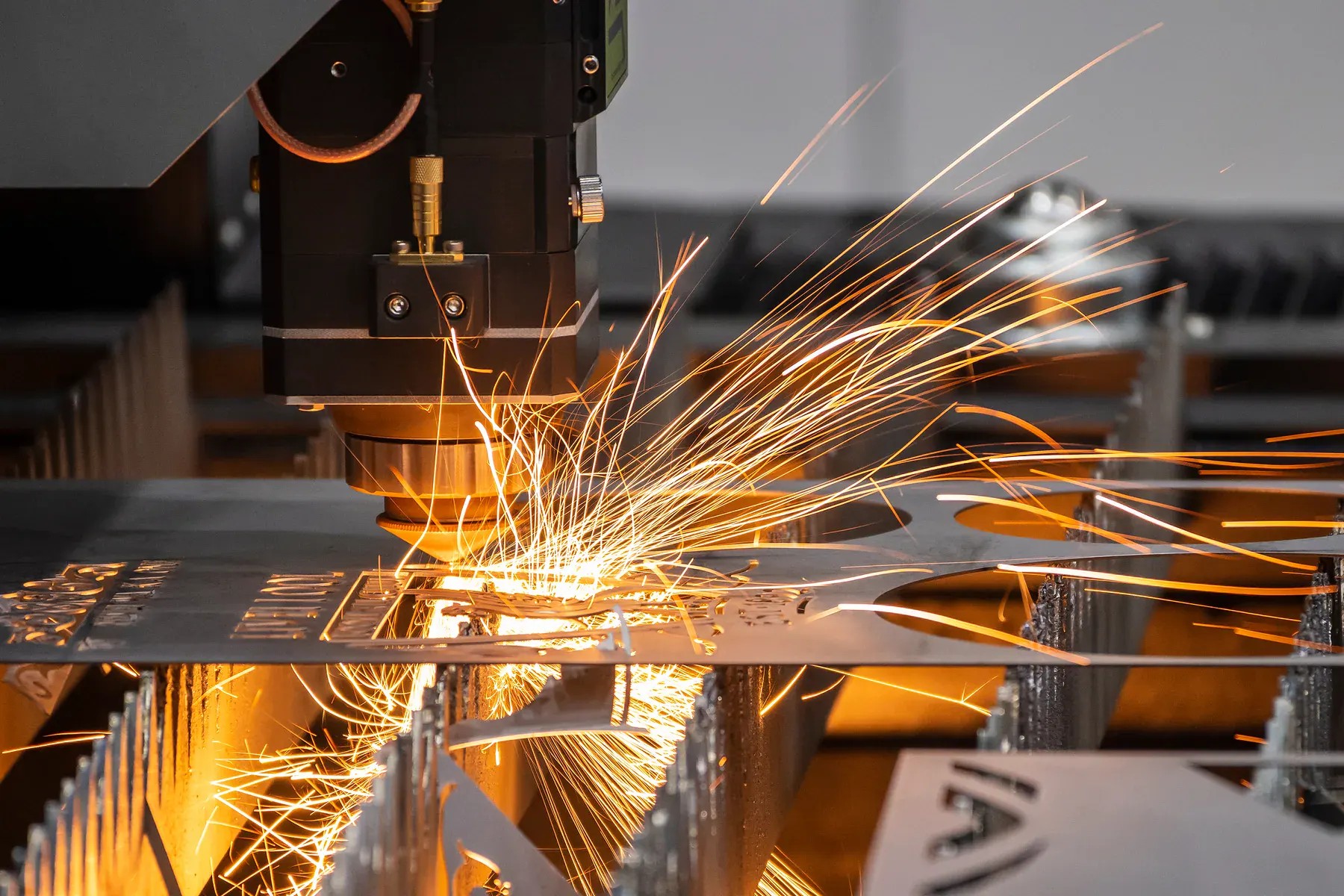
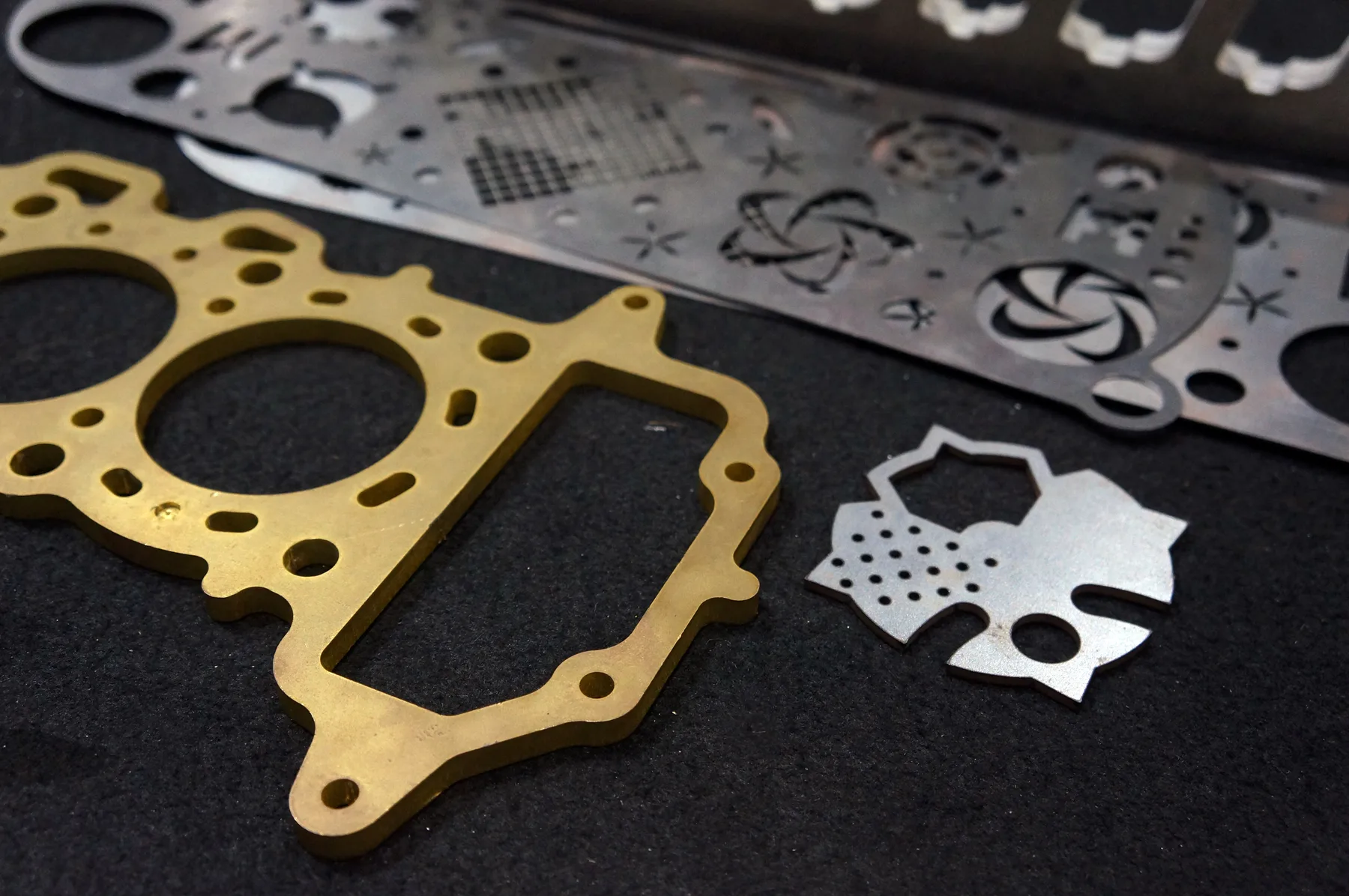
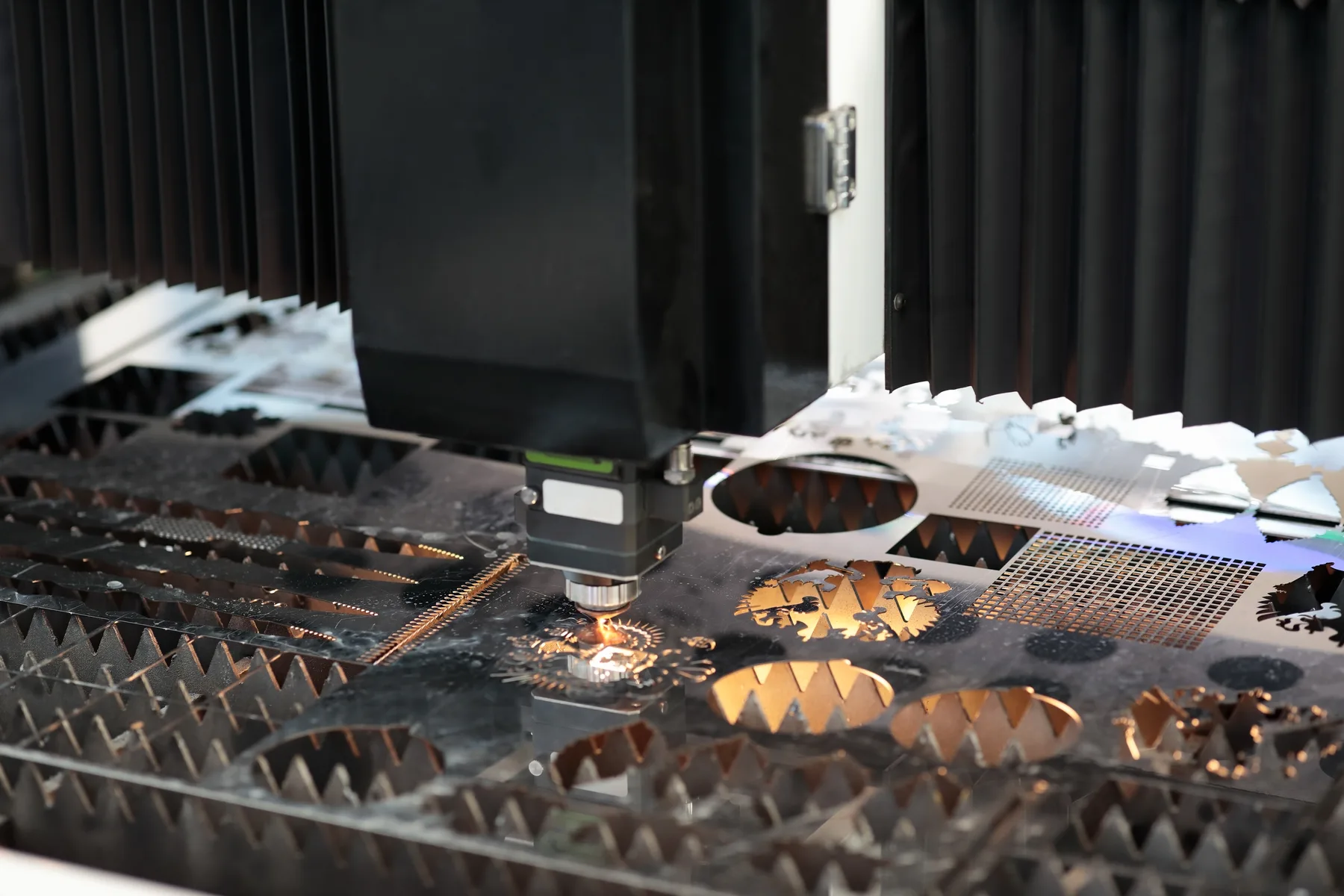
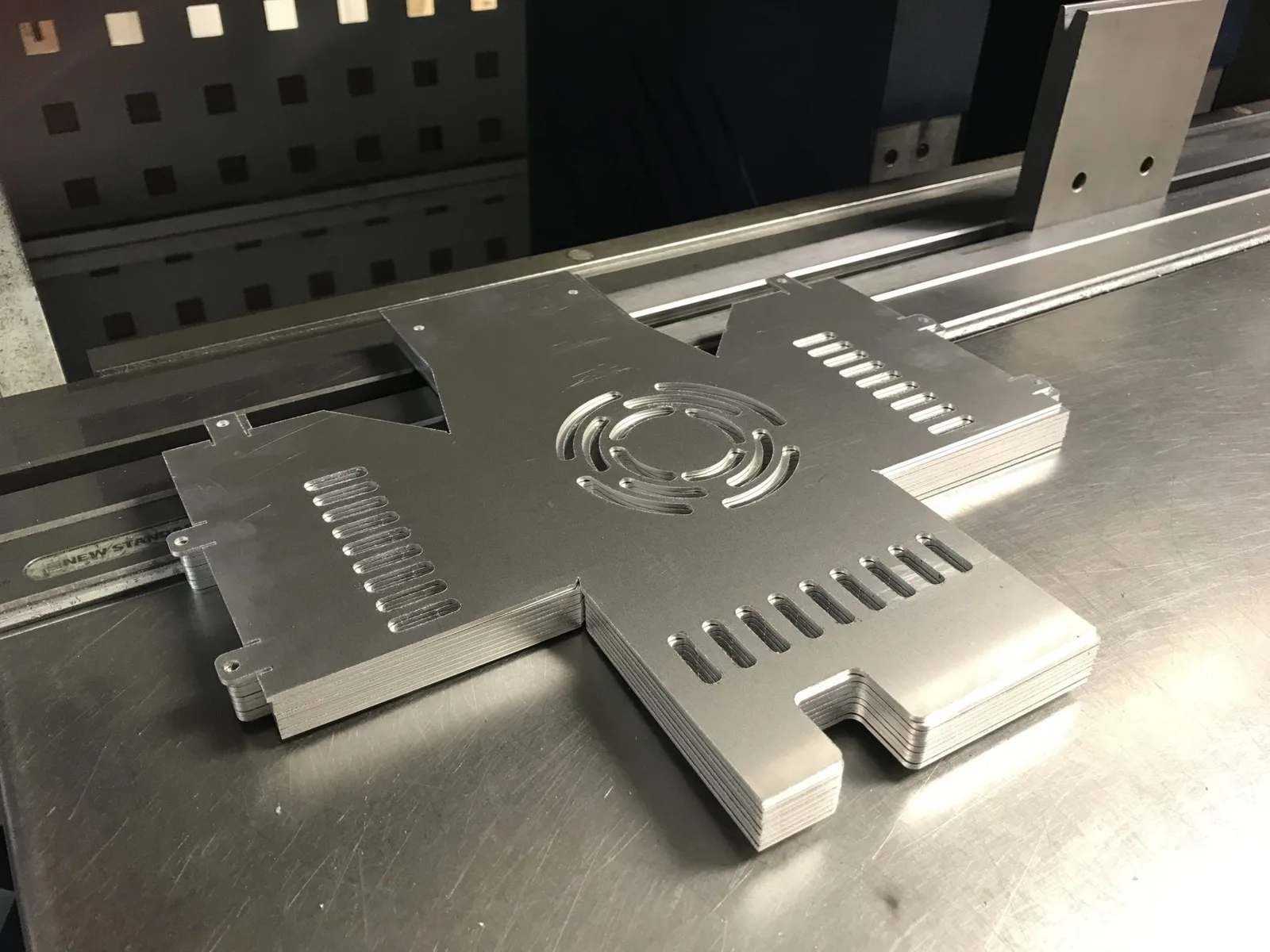
Relevant workshop, material and process photos showing the kind of cutting work we support.
Materials and production fit
The fastest quote is a clean file with known material and thickness. The safest quote is a reviewed job when finish, fit or production risk matters.
Bracket material depends on load, finish, corrosion exposure and fabrication process.
Small geometry details can affect fit and price.
Bracket jobs often feed into welding, bolting or assembly.
Capabilities at a glance
Primary process for flat metal bracket profiles.
Suitable for cutting-only brackets from clean CAD files.
Used for bends, countersinks, tapping, welding, coating or tight fit-up.
Proven bracket files can be reused for recurring production.
Fabricators, engineers, builders, sign shops and equipment teams.
Connects metal parts, sheet metal and engineering pages.
Instant pricing
Instant pricing suits flat laser cut bracket files with clean profiles, hole geometry, material, thickness and quantity.
Reviewed quote
Review first for bends, welds, tapped holes, countersinks, tight tolerance holes, coating or load-critical details.
Cutting technologies
The best process is selected around material, thickness, finish, geometry and whether the file is ready for instant pricing.
Technical guidance
Draw the final flat profile at 1:1 scale with all holes, slots and mounting details included.
If a bracket needs bending, send bend notes or a reviewed quote request rather than treating it as a simple flat cut.
Small holes and narrow slots should be checked against material thickness and process limits.
Provide quantity per bracket profile so nesting and pricing reflect the real production run.
Related services and materials
Use these pages to compare the relevant process, material, location or application details.
Common questions
Yes, flat metal brackets are a strong fit for fiber laser cutting from clean CAD files.
Yes, if the bracket is a cutting-only flat profile with material, thickness and quantity selected.
Bending should be reviewed before production because flat pattern, bend radius and material behaviour matter.
DXF and DWG are preferred. Vector PDF can work when it contains real cut paths.
Quote-ready files
Use instant pricing for clean cutting files, or send complex jobs through reviewed quoting when production decisions matter.