Instant quote jobs
Clean cutting-only files with known material, thickness and quantity can move faster than unclear requests.

Lead times
A practical lead-time guide explaining why clean cutting files move faster, why reviewed jobs take longer, and what buyers should send when timing matters.
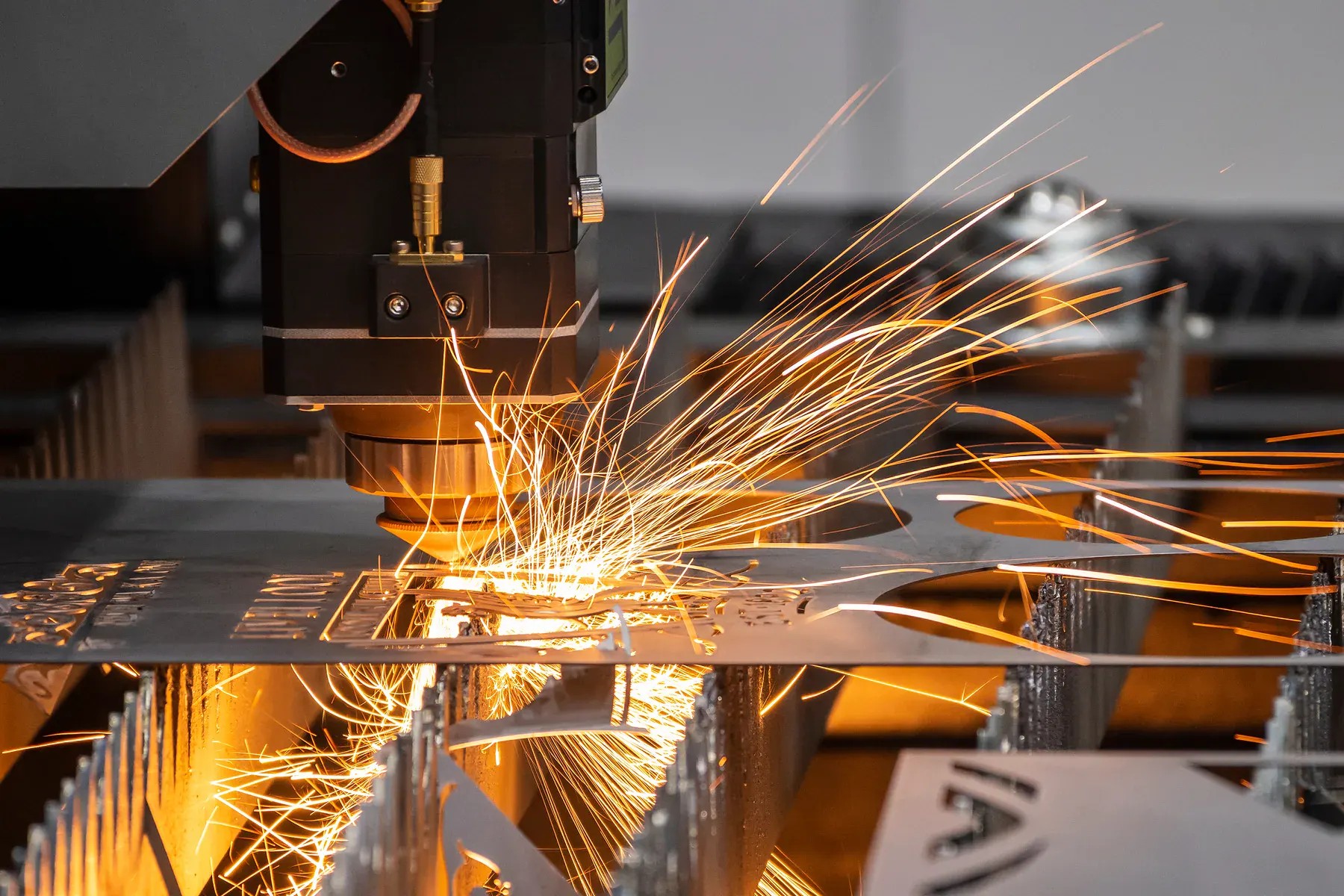
What we cut
A practical lead-time guide explaining why clean cutting files move faster, why reviewed jobs take longer, and what buyers should send when timing matters.
Start with the part, panel or material you need. Use fast online pricing when the file is cut-ready, or request review when the job needs production input before it can be accepted.
Clean cutting-only files with known material, thickness and quantity can move faster than unclear requests.
Jobs with finishing, supplied material, mixed services or uncertain files need review before production timing is trusted.
Approved repeat files can be faster when material, revision and quantity are unchanged.
Urgent jobs should state the real deadline and any fixed delivery or install date.
Customer-supplied sheets can slow timing if condition, grade or suitability needs checking.
Large, fragile, visible-face or palletised jobs need logistics included in the timing conversation.
Project gallery
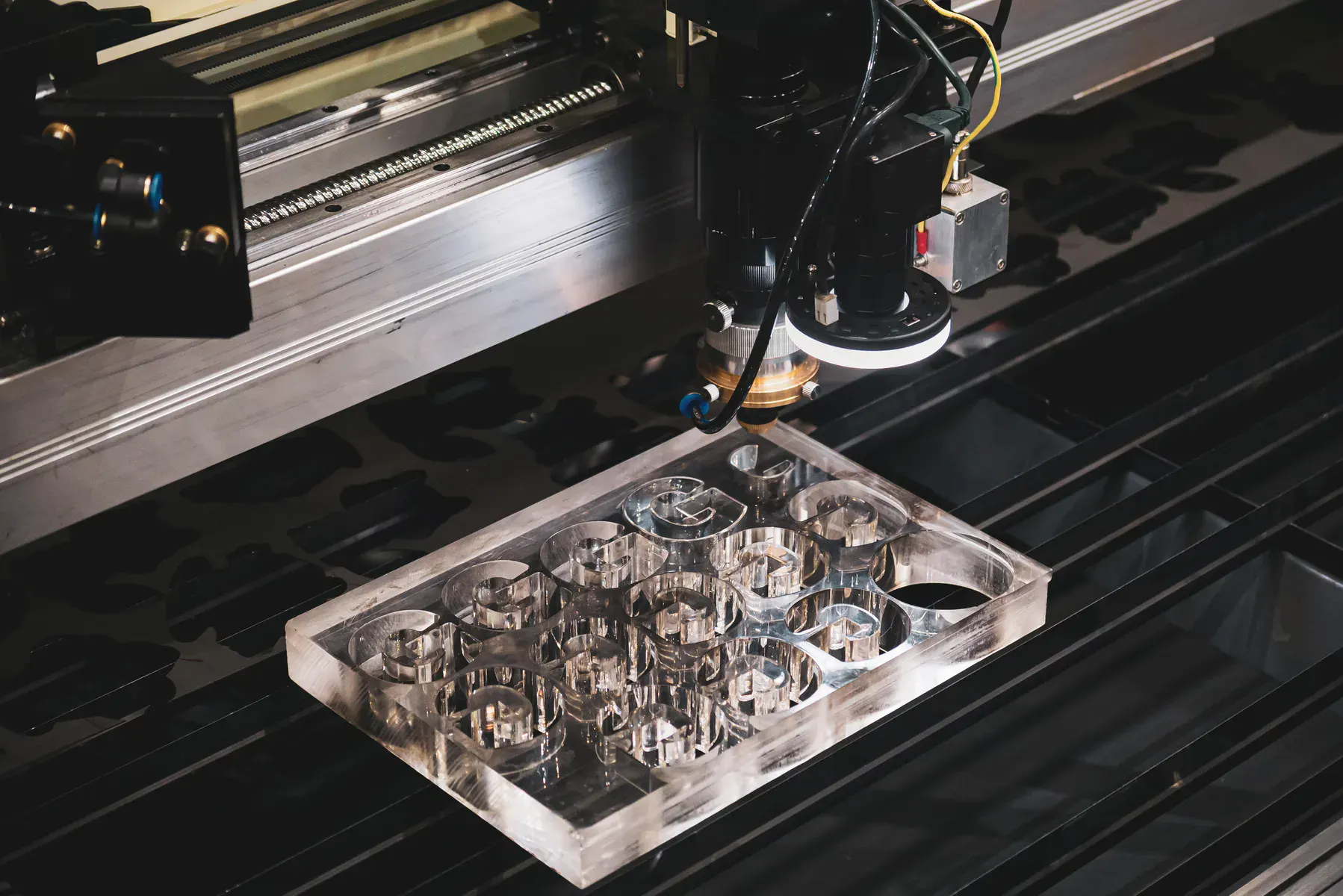
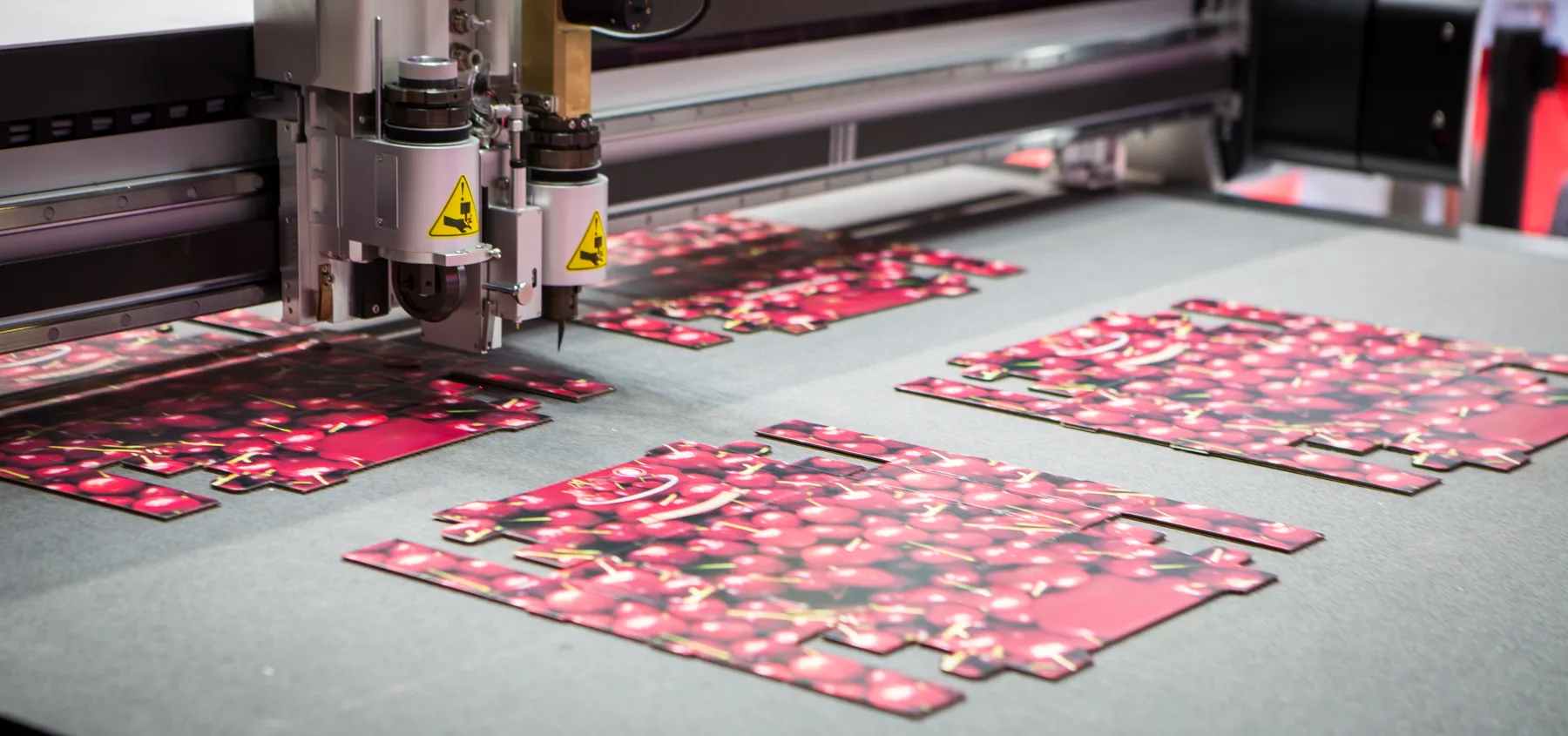
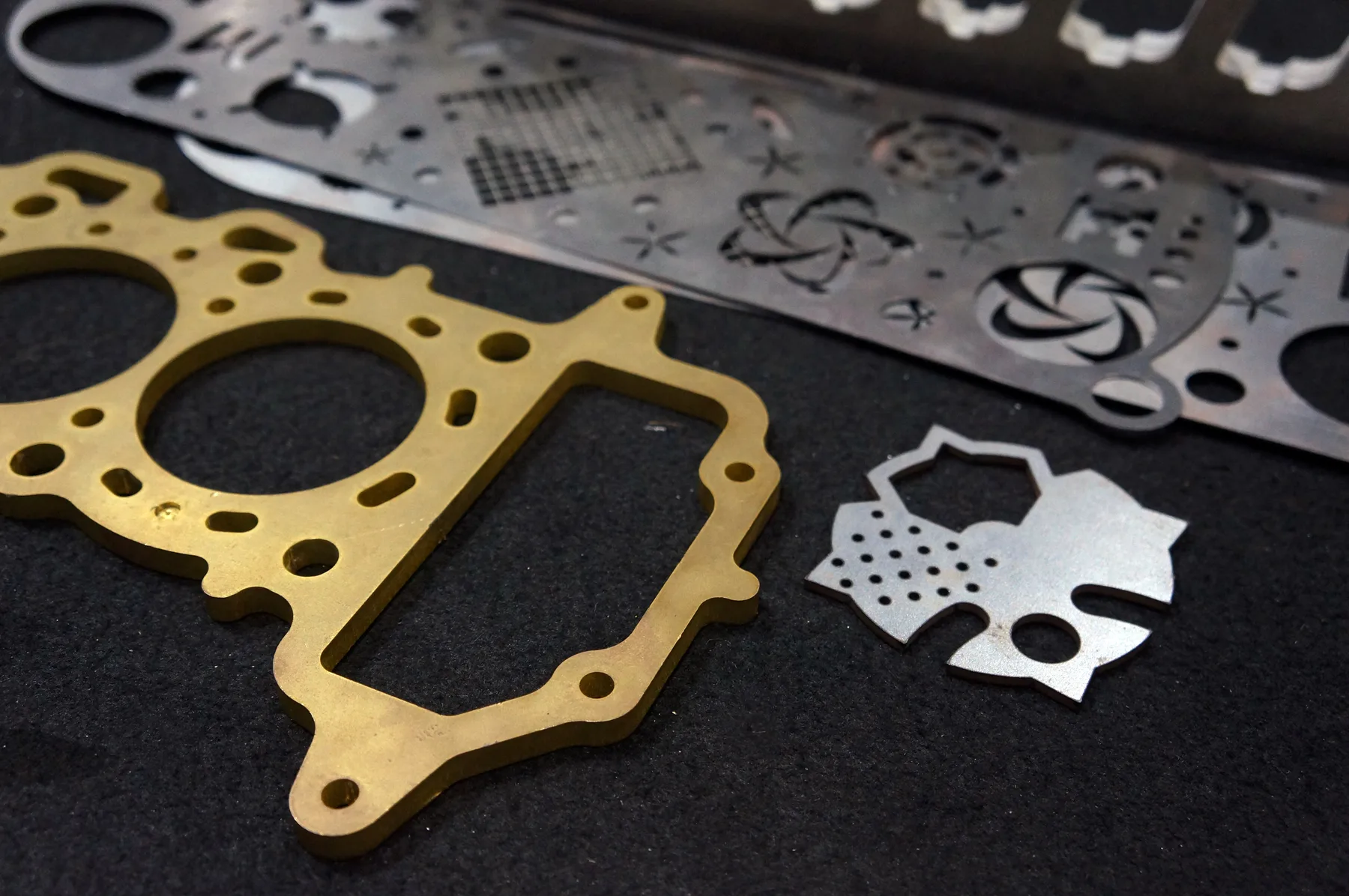
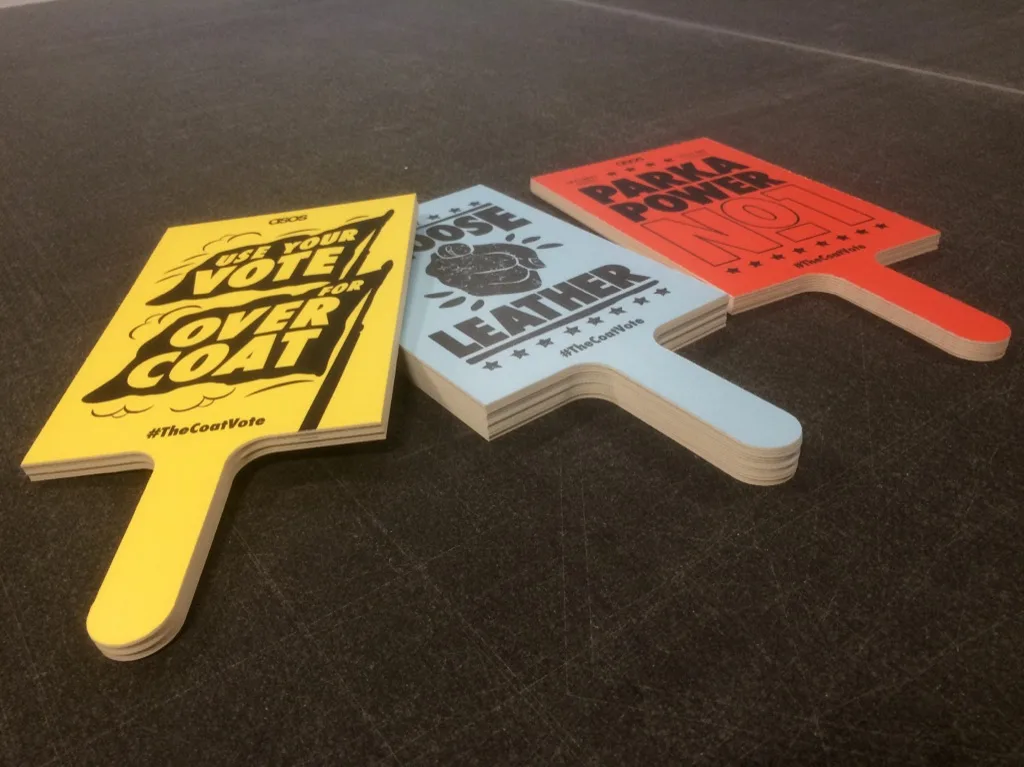
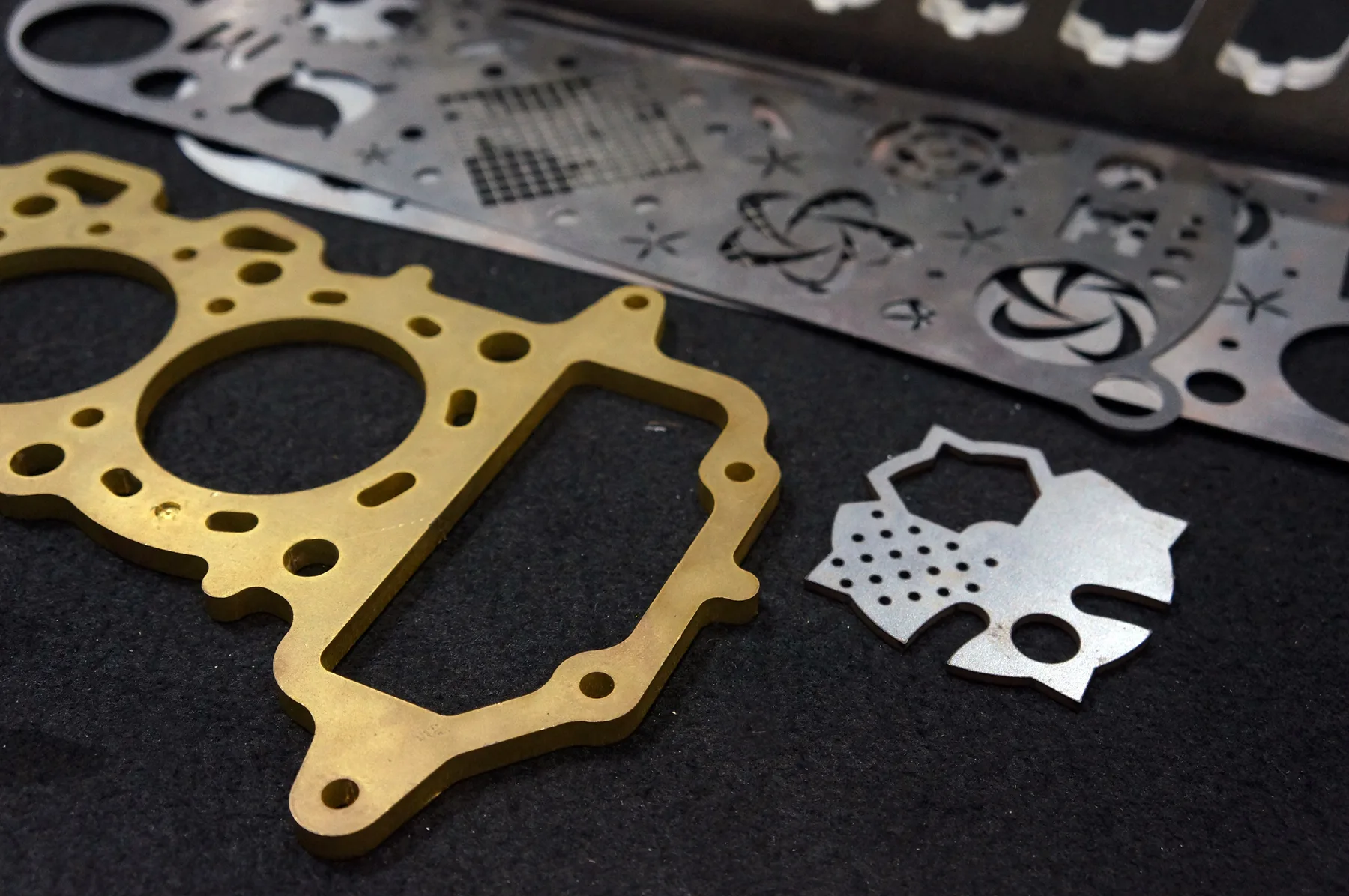
Relevant workshop, material and process photos showing the kind of cutting work we support.

Materials and production fit
The fastest quote is a clean file with known material and thickness. The safest quote is a reviewed job when finish, fit or production risk matters.
Clear cutting-only work gives production the best chance of moving quickly.
Review is needed when production risk is higher.
Fast work needs decisive input from the buyer.
Capabilities at a glance
Lead-time planning across LCE cutting and reviewed production-support workflows.
DXF, DWG or vector PDF files with real cut paths at the correct scale.
Procurement teams, trade accounts, sign shops, builders, fabricators, installers and repeat customers.
Best for clean cutting-only files where the buyer can approve quickly and material is suitable.
Best for jobs where timing depends on file cleanup, material review, finishing, welding, painting, folding, freight or manual planning.
Sydney production support from Botany NSW, with pickup or delivery for suitable Australian jobs.
Instant pricing
Use instant pricing for clean files, but do not assume instant quote equals instant production.
Reviewed quote
Use reviewed quoting whenever lead time depends on material availability, finishing, supply or project complexity.
Cutting technologies
The best process is selected around material, thickness, finish, geometry and whether the file is ready for instant pricing.
Technical guidance
The timer cannot be trusted until the file, material, quantity and review status are clear.
If the buyer cannot approve quickly or provide missing details, the job cannot stay genuinely urgent.
Approved files with stable materials and revisions can be easier to schedule than brand-new unclear files.
Packing, courier cutoff, palletisation and fragile faces can matter as much as cutting time.
Related services and materials
Use these pages to compare the relevant process, material, location or application details.
Laser Cutting Machine Capabilities Australia
Laser Cutting Project Support Australia
Laser Cutting Quote Requirements Australia
Laser Cutting Sheet Size and Nesting Guide
 Laser Cutting Stock Material Guide Australia
Overflow Production Support
Request Laser Cutting Service Australia
Sketch to Laser Cutting
Laser Cutting Stock Material Guide Australia
Overflow Production Support
Request Laser Cutting Service Australia
Sketch to Laser Cutting
 Trade File Prep
CO2 Laser File Setup Guide
Custom Laser Cutting Services Australia
Contract Laser Cutting Manufacturing Partner Australia
Trade File Prep
CO2 Laser File Setup Guide
Custom Laser Cutting Services Australia
Contract Laser Cutting Manufacturing Partner Australia
Common questions
Timing depends on file quality, material, workload, quantity and whether the job needs review.
No. Instant quote helps with pricing, but production still depends on suitability, approval, material and schedule.
Rush work can be reviewed, but the buyer must provide clean files, material details, deadline and fast approval.
They can be faster when the file, revision, material and quantity are stable.
Quote-ready files
Use instant pricing for clean cutting files, or send complex jobs through reviewed quoting when production decisions matter.